 Seminole Siding
 St. Petersburg Roofs Work Harder Than Roofs Almost Anywhere Else
St. Petersburg sits on a peninsula between Tampa Bay and the Gulf, which means the roofs here absorb a combination of stresses most of the country never deals with at the same time. Hurricane-force wind gusts can lift shingles and tear at flashing in a single afternoon. Wind-driven rain doesn't just fall on a roof, it gets pushed sideways and upward under laps and edges that were never designed to shed water from that angle. Add in some of the most intense year-round UV exposure in the continental United States, plus a steady drift of salt air off the water, and you have a roofing system that ages faster and fails differently than the same roof would in a drier, cooler climate. For homeowners near Seminole and throughout Pinellas County, storm damage roof repair isn't a rare emergency service — it's a routine part of owning a home this close to the coast.
That's the backdrop for everything on this page. A storm damage repair done right in St. Petersburg has to account for all of that, not just patch the spot where the shingles blew off.
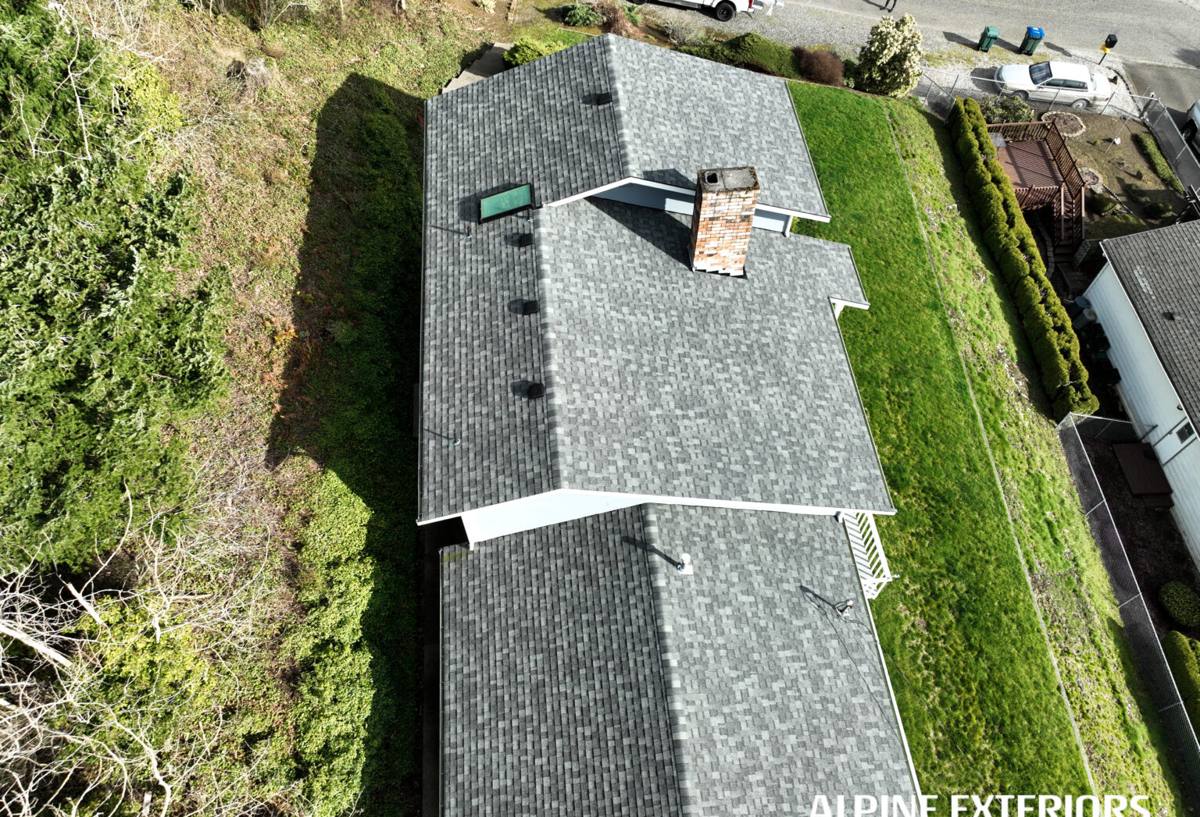
Recognizing Storm Damage Before It Becomes a Bigger Problem
Some storm damage is obvious the day after a system moves through. Other damage hides for months and only shows itself as a stain on a ceiling or a spike in your utility bill from a wet, underperforming attic. Knowing what to look for from the ground — and knowing when it's time to call someone up onto the roof — saves homeowners real money.
Signs you can often spot from the ground or driveway
- Shingles that look curled, cracked, or lifted at the edges, or shingles missing outright
- Granules collecting in gutters or at the base of downspouts after a storm
- Bent, creased, or missing flashing around chimneys, vents, or skylights
- Visible sagging anywhere along the roofline
- Debris punctures or dents from wind-blown branches, palm fronds, or hail
- Gutters pulling away from the fascia or hanging unevenly
Signs that usually mean the damage is already inside the roof system
- Brown or yellow ceiling stains, especially ones that appear a few days after a storm rather than during it
- A musty smell in an upstairs room or attic that wasn't there before
- Peeling paint or bubbling drywall near an exterior wall or ceiling line
- Daylight visible through the roof deck from inside the attic
If you notice any of the second group, treat it as more urgent. Water that has already reached the decking or insulation is doing damage every day it sits, and Florida's humidity gives mold very little reason to wait around.
What a Correct Storm Damage Roof Repair Actually Involves
A repair that only replaces the shingles you can see from the driveway is a cosmetic fix, not a storm repair. Doing it correctly means working through the roof system in order, the same way it was built:
1. Deck inspection first
Before any new material goes down, the plywood or OSB decking underneath needs to be checked for soft spots, delamination, or water staining. Wind and rain that got under lifted shingles often reach the decking before anyone notices a problem inside the house. Damaged decking gets replaced — covering it up guarantees a repeat repair later.
2. Underlayment, not just shingles
The underlayment is the roof's actual water barrier; shingles are the wear layer on top of it. If wind-driven rain got past the shingles, there's a good chance it also compromised the underlayment in that section. We replace underlayment in the repaired area rather than laying new shingles over material that's already been saturated.
3. Flashing gets rebuilt, not just re-caulked
Flashing around chimneys, wall transitions, skylights, and vent pipes is one of the most common sources of storm leaks, because it's mechanically fastened and can bend or pull loose in high wind. Sealant alone is a temporary fix. Correct repair means resetting or replacing the flashing itself so it's doing the structural part of the job again, with sealant used the way it's meant to be used — as a secondary barrier, not the only one.
4. Matching materials, matching wind rating
New shingles should match the existing roof's profile and, where possible, its wind rating. Mixing a lower wind-rated product into a repair on a roof built to handle Gulf storms undercuts the protection you already paid for.
5. Ventilation gets checked, not ignored
A repair is a natural point to confirm the attic is venting properly. Poor ventilation traps heat and moisture, which shortens the life of every shingle on the roof, not just the ones being repaired.
Repair or Replace? How We Help You Decide
Not every storm-damaged roof needs a full replacement, and not every roof can be responsibly patched. The right call depends on the roof's age, how much of it is affected, and what's underneath the surface. We inspect first and give you a straight answer, not an upsell.
| Factor | Usually points to repair | Usually points to replacement |
|---|---|---|
| Roof age | Under 10-12 years, in otherwise good condition | Nearing or past its expected service life |
| Extent of damage | Limited to one slope or a localized area | Spread across multiple slopes or the whole roof |
| Decking condition | Sound, dry decking under the damaged area | Widespread soft spots or water-stained decking |
| Shingle availability | Matching shingles still available | Discontinued product, visible mismatch likely |
| Storm history | First significant damage event | Repeated storm damage over recent years |
We'll walk you through where your roof lands on this table and why, so the decision is yours to make with real information instead of guesswork.
Our Storm Damage Repair Process
- Inspection. We get on the roof (not just a look from the ground) and check the deck, underlayment where accessible, flashing, and shingle field.
- Documentation. We photograph the damage clearly, which matters just as much for your records as for any insurance claim you may file.
- Temporary protection, if needed. If there's an active leak or exposed decking, we address that first so the interior of the home isn't taking on more damage while repairs are scheduled.
- Written scope and estimate. You get a clear explanation of what's damaged, what needs to be replaced, and what the repair will cost — before any work starts.
- The repair itself. Deck, underlayment, flashing, and shingles addressed in that order, using materials that match your existing roof.
- Final walkthrough. We confirm the repair with you and make sure the area is clean and the work matches what was scoped.
Working With Your Insurance Company
Storm damage repairs in Pinellas County frequently involve an insurance claim, and the paperwork can be as frustrating as the damage itself. We don't handle your policy or negotiate your claim for you, but we do provide the kind of documentation adjusters actually need: clear photos, an honest description of the damage, and a scope of work that reflects what's really wrong with the roof — no more, no less. Overstating damage to pad a claim or understating it to win a bid are both bad practices, and either one tends to cost homeowners more in the long run, whether that's a denied claim or a repair that fails early.
Materials and Methods That Make Sense for This Climate
What holds up on a roof in a dry inland climate doesn't always hold up a few miles from the Gulf. Salt air accelerates corrosion on exposed metal, and intense UV exposure breaks down lower-quality shingle asphalt faster than the manufacturer's rating sheet might suggest for a shadier, cooler region.
| Component | Why it matters in St. Petersburg specifically |
|---|---|
| Fasteners and flashing metal | Corrosion-resistant fasteners and flashing hold up better against salt air drift than standard hardware |
| Underlayment type | A quality synthetic or self-adhering underlayment gives better secondary protection against wind-driven rain |
| Shingle wind rating | Higher wind-rated shingles are worth the difference given how often this area sees tropical systems |
| Sealants | UV-stable sealants resist the cracking and drying that intense, near-constant sun exposure causes over time |
None of this means every repair needs premium everything — it means matching the material to the job and being upfront with you about where spending a bit more actually extends the life of the repair, and where it wouldn't make a meaningful difference.
Why It Matters That We Already Work in St. Petersburg
A roofing crew that only shows up in St. Petersburg after a storm is starting from zero on permitting, inspection scheduling, and material availability right when demand — and wait times — are highest. Working this area regularly means we already understand how Pinellas County and St. Petersburg permitting and inspections typically move, which keeps a repair from stalling in paperwork after the physical work is done. It also means we're not learning the local climate's effect on roofing materials on your dime; we've already seen how salt air, sun, and storm cycles affect roofs like yours in this specific part of Florida, from Seminole out toward the coast.
Local presence also means a faster response when it counts. After a significant storm, roofing demand across the region spikes all at once, and homeowners who already have a relationship with a local crew tend to get seen sooner than homeowners starting the search for a contractor from scratch.
Get an Honest Look at Your Roof
If your roof took a hit in the last storm — or you're just not sure whether that lifted shingle is a small problem or the start of a bigger one — we're glad to come take a look. The estimate is free, there's no pressure to sign anything on the spot, and you'll get a straight answer about what your roof actually needs. Fill out the form below to get started.