 Seminole Siding
 Why Belleair Homes Need a Different Approach to Window Replacement
Belleair sits close to the Gulf in Pinellas County, right next to our home base in Seminole, and homes here take a beating that most inland Florida properties simply don't. You've got hurricane-force wind gusts during storm season, intense year-round UV that bakes frames and seals from every angle, wind-driven rain that gets pushed sideways into any gap in flashing or caulking, and salt-laden air rolling in off the water that speeds up corrosion on hardware and metal components. A window that holds up fine forty miles inland can start failing years early here if it wasn't chosen and installed with this specific exposure in mind.
A lot of the housing stock in this part of Pinellas County predates modern hurricane glazing requirements. Original single-pane aluminum or wood windows are still common, and even homes that have had one round of replacements may be due for another if the previous work wasn't built for coastal conditions. We treat every Belleair job as a coastal install first and a standard window job second.
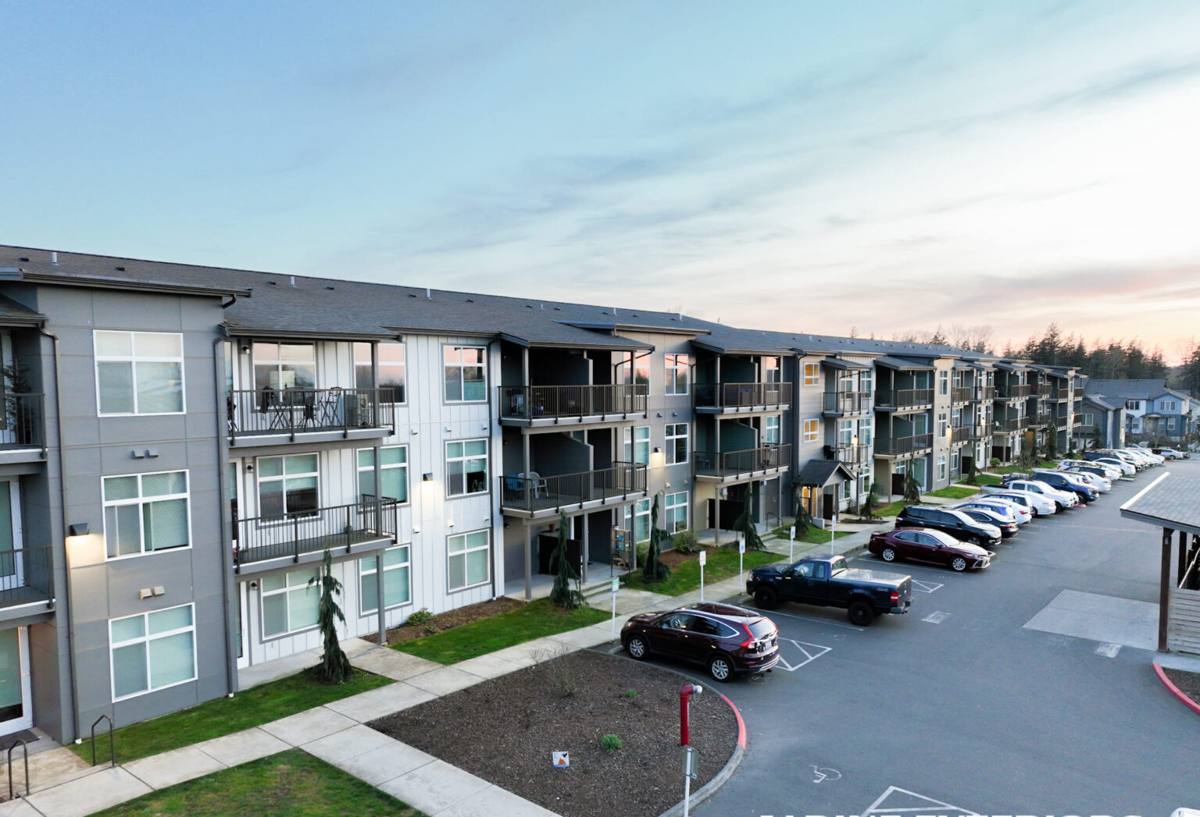
What Coastal Exposure Actually Does to a Window Over Time
It helps to understand the specific mechanisms at work, because they determine what actually matters in a replacement — not just the sales brochure.
UV Breakdown
Florida sun is stronger and more constant than what most window products are tested against in northern climates. Over years, UV exposure dries out glazing compounds and weatherstripping, fades interior finishes near south- and west-facing glass, and can make lower-grade vinyl frames brittle or discolored.
Wind-Driven Rain
Rain here doesn't just fall — storms push it sideways and even upward under sills. Retrofit installs that skip proper flashing sequencing are the most common source of hidden water intrusion we find, often showing up as staining or soft drywall well after the original install date.
Salt Air Corrosion
Airborne salt accelerates corrosion on hardware, cranks, hinges, and fasteners — especially anything that isn't stainless or properly coated. It also etches and pits glass and metal surfaces gradually, which is one reason coastal homes see hardware failures well before the glass itself gives out.
Cyclical Wind Pressure
Even without a direct hurricane hit, repeated high-wind events stress seals and frame corners over time. That's a big part of why insulated glass units eventually fog — the seal fatigues before the glass does.
Signs a Belleair Home Needs Window Replacement
Not every issue means full replacement, but these are the signals we take seriously on coastal properties:
- Fogging or condensation trapped between panes — the seal has failed and can't be repaired
- Cranks, locks, or sashes that stick, bind, or won't latch fully
- Visible white corrosion, pitting, or chalking on aluminum frames
- Air movement or drafts you can feel around a closed window
- Water staining on the wall, sill, or drywall below a window after heavy rain
- Frame material that feels soft, warped, or has separated or cracked caulking
- A noticeable jump in cooling costs in rooms with heavy afternoon sun exposure
Impact-Rated vs. Standard Windows: What Actually Matters Here
This part of the Gulf coast falls within Florida Building Code's wind-borne debris requirements, which means homeowners generally need either impact-rated windows or an approved separate protection system for openings. Both routes are legal options — the difference is in daily livability and long-term upkeep.
| Factor | Impact-Rated Laminated Glass | Standard Glass + Shutters/Panels |
|---|---|---|
| Storm protection | Permanent, no action needed before a storm | Effective, but requires installing panels or closing shutters every time |
| Daily UV & noise reduction | Noticeably better year-round, not just during storms | No everyday benefit — protection only when deployed |
| Maintenance burden | Lower over time; fewer moving external parts | Shutters/tracks need periodic lubrication and hardware checks |
| Appearance | Clean sightlines, nothing added to exterior | Visible hardware or tracks even when not deployed |
| Upfront cost | Higher per opening | Often lower per opening, cost adds up across a full house |
We install both, and either can meet code correctly. Our honest recommendation for most Belleair homes is impact-rated glass on primary living areas where the daily UV and noise reduction pays off, especially on rooms that get direct afternoon sun.
Frame Material Choices for Salt-Air Exposure
Frame material matters as much as the glass package this close to the water.
- Vinyl — budget-friendly and a reasonable insulator, but only worth installing here in a reinforced, multi-chamber grade built to resist warping under sustained UV and heat. Lower-grade vinyl is the frame type most likely to underperform in this climate.
- Aluminum — a traditional Florida choice with slim sightlines and real structural strength, but standard aluminum conducts heat and is more exposed to salt-air pitting and hardware corrosion unless it's a marine-grade finish with corrosion-resistant hardware.
- Fiberglass — the most dimensionally stable option under Florida's heat and UV swings, resists warping over the long haul, and holds up well near the coast. Higher upfront cost, but it's our default recommendation when a homeowner wants the lowest long-term maintenance.
We generally steer Belleair homeowners away from bare wood frames on exterior-facing openings. It's not that wood can't look good — it's that wind-driven rain and salt air create a moisture and maintenance burden that most homeowners don't want to keep up with on a coastal property, and it's a harder warranty to stand behind honestly in this exposure.
Our Window Replacement Process for Belleair Homes
- On-site assessment — we inspect existing flashing, sill condition, and frame material, and check for hidden moisture damage before quoting anything.
- Product selection — we match glass package and frame material to each room's sun exposure and wind exposure rather than quoting one spec for the whole house.
- Permitting — we handle the permit application and inspection scheduling through the applicable local jurisdiction.
- Removal and inspection — old units come out carefully so we can check the framing underneath for water damage before anything new goes in.
- Installation — flashing and sealant go in a specific sequence designed to shed wind-driven rain, not just block it when it falls straight down.
- Final inspection and walkthrough — we confirm operation, sealing, and cleanup before we consider the job done.
Permits and Local Code Considerations
Window replacement in Pinellas County requires a permit in nearly all cases, and depending on the scope of work there may be additional local review on top of the county process. Older homes sometimes trigger extra scrutiny if the replacement changes the size or structural opening of the original window. We pull and manage these permits as part of the job so homeowners aren't stuck navigating that process alone, and so the finished work passes inspection the first time.
Why a Crew That Already Works in Belleair Matters
A contractor who's already done this work in the area knows the local permitting process, has a realistic sense of the construction types common to homes here, and isn't guessing at what wind and salt exposure will do to a given product over time. That familiarity shows up in fewer surprises mid-project, more accurate first-visit quotes, and installs that are specified correctly for this specific stretch of coast rather than a generic statewide recommendation.
What Drives the Cost of a Window Replacement
Every home is different, but the same handful of factors drive most of the cost variation we see:
| Factor | How It Affects Cost |
|---|---|
| Number of windows | More openings means more materials and labor, though per-unit cost often drops slightly on larger jobs |
| Frame material | Vinyl is typically the lowest entry cost, fiberglass the highest, aluminum in between |
| Glass package | Impact-rated laminated glass costs more per unit than standard glass, but eliminates the ongoing cost of shutter systems |
| Size and shape | Custom or oversized openings cost more than standard stock sizes |
| Accessibility | Second-story or hard-to-reach openings add labor time |
| Permits and disposal | Permit fees and old-window disposal are part of most quotes and vary by scope |
Costs for a straightforward standard replacement typically run from a few hundred dollars per window, up into the low thousands per opening for larger impact-rated units — the honest answer is that it depends heavily on the factors above, which is exactly what an in-person estimate is for.
If you're weighing repair versus replacement, or just want a straight answer on what your Belleair home actually needs given its age and exposure, we're happy to take a look. Reach out for a free, no-pressure estimate using the form below.