 Seminole Siding
 Roof Repair Built for Clearwater's Coastal Climate
A roof in Clearwater doesn't fail the same way a roof does further inland. Between hurricane-force wind events, intense year-round UV exposure, wind-driven rain that gets forced sideways and upward under roofing materials, and the slow corrosive effect of salt air off the Gulf, a Pinellas County roof is under a different kind of stress load than most manufacturers design for on paper. That doesn't mean asphalt shingle and tile roofs common to this area are the wrong choice — it means the repair work has to account for those specific conditions, not treat every leak or wind-lifted section like a generic patch job.
This page is about roof repair specifically for Clearwater homes — what actually causes damage here, what a correct repair involves, how we approach the job, and why working with a crew that's already familiar with this stretch of the coast matters more than it might for a roof in a milder climate.
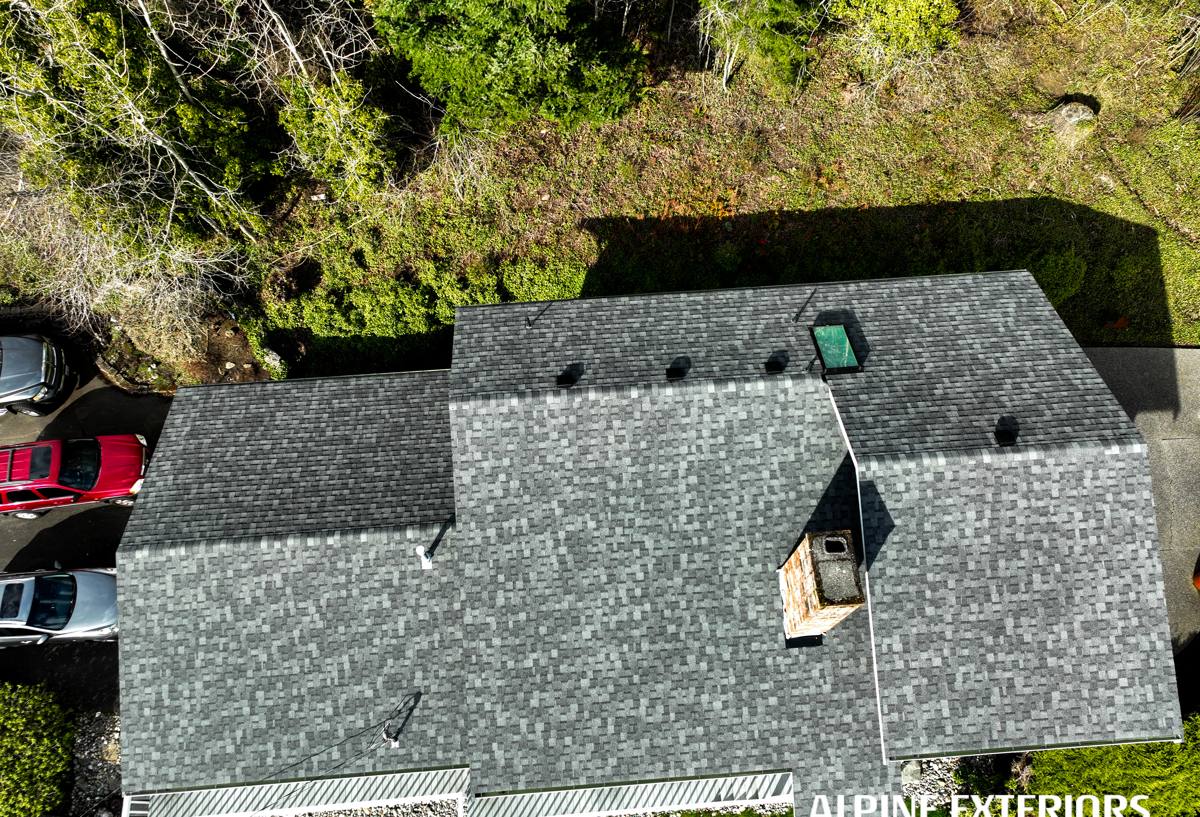
What Actually Damages Roofs in Clearwater
Most roof repairs we get called out for trace back to one of a handful of causes, and they rarely act alone. Understanding which one (or which combination) is at work changes how the repair should be done.
Wind
Even outside of a named storm, Clearwater gets regular gusty conditions off the water, and named storms bring sustained hurricane-force wind that tests every fastener, seal, and shingle tab on the roof. Wind damage often starts small — a lifted tab, a cracked seal strip, a shingle corner that's been flexed one too many times — and gets worse with each subsequent wind event until it's a full leak.
UV Exposure
Florida sun is relentless on roofing materials year-round, not just in summer. UV breaks down the asphalt in shingles over time, drying them out and making them brittle, which is part of why a shingle that looks fine from the ground can crack the moment a repair crew has to walk on it. Sealants and adhesives age the same way, losing flexibility long before the shingle itself looks worn.
Wind-Driven Rain
Rain in this area rarely just falls straight down during the storms that cause damage — it gets pushed sideways and driven up and under shingle edges, ridge caps, and flashing laps that were never designed to shed water moving in that direction. This is a major reason leaks show up at valleys, wall-to-roof intersections, and around penetrations rather than in the open field of the roof.
Salt Air
Being close to the Gulf means airborne salt settles on and around every exposed metal component on the roof — flashing, fasteners, vent stacks, drip edge. Salt accelerates corrosion, and corroded metal is one of the most common root causes of a leak that homeowners assume is a shingle problem when it's actually a failed flashing seam underneath.
Signs a Repair — Not a Full Replacement — Is the Right Call
Not every roof problem in Clearwater means the whole roof needs to come off. A big part of doing this job honestly is being able to tell the difference and explain it clearly.
- A stain on an interior ceiling that appeared after a specific storm, without a history of recurring leaks in other areas
- A handful of missing, cracked, or wind-lifted shingles in one section rather than widespread granule loss across the whole roof
- Flashing that's visibly separated, rusted through, or improperly sealed at a chimney, skylight, or wall intersection
- Soft or spongy decking limited to a small, identifiable area rather than throughout the roof
- A roof under 15-20 years old that's otherwise in decent shape but took isolated storm damage
If the roof shows widespread granule loss, multiple soft spots across different sections, or repeated leaks in different locations year after year, repair is usually a temporary fix on a roof that's telling you it's near the end of its service life. We'll say so directly if that's what we find.
What a Correct Roof Repair Actually Involves
Matching the Existing Material
A quality repair on a shingle roof means matching the existing shingle as closely as possible in color, profile, and, where the roof is newer, brand and product line. Mismatched shingles are one of the most common complaints homeowners have after a repair from another crew — it's a cosmetic issue, but it's an avoidable one, and it's worth discussing before work starts on any roof where an exact match may not be available.
Flashing and Valley Work
Given how often the real problem in Clearwater is flashing rather than the shingle field itself, a repair that only replaces shingles without inspecting the flashing underneath is incomplete. Valleys, step flashing along walls, and counterflashing at chimneys all need to be checked for corrosion, proper lap direction, and intact sealant — especially on a roof that's been through a few storm seasons.
Decking Condition
Any time shingles come off for a repair, the decking underneath should get a real look, not a glance. Wet or soft decking has to be addressed before new shingles go back on top of it, or the repair will fail again within a season or two regardless of how well the visible work was done.
Fasteners and Sealants Rated for This Climate
Given the corrosive salt air along this part of the Gulf coast, we use corrosion-resistant fasteners and sealants suited for coastal exposure rather than standard-grade materials that may be cheaper but degrade faster in this environment. It costs a little more up front and saves a callback later.
Repair vs. Replacement: How We Help You Decide
| Factor | Usually Points to Repair | Usually Points to Replacement |
|---|---|---|
| Roof age | Under roughly 15 years | Approaching or past typical shingle lifespan |
| Damage pattern | Isolated to one section or event | Spread across multiple roof planes |
| Granule loss | Minimal, limited to affected area | Widespread, visible in gutters and downspouts |
| Decking condition | Sound except at the repair location | Soft or damaged in multiple areas |
| Leak history | First occurrence or tied to one storm | Recurring leaks in different spots over time |
| Cost outlook | Repair cost is a fraction of a new roof | Repair costs are approaching what replacement would run |
Repair costs on a straightforward job can run anywhere from a few hundred dollars for a small, contained patch to several thousand for more involved flashing and decking work. We'll give you a real number after we've actually inspected the roof, not before.
How Our Repair Process Works
- Inspection. We walk the roof (not just look from the ground) to find the actual source of the problem, which is often not directly above where a leak shows up inside.
- Honest diagnosis. We explain what we found, what caused it, and whether repair or replacement makes more sense for your specific roof — in plain terms, not sales language.
- Written scope and estimate. You get a clear description of the work and the cost before anything is touched.
- Repair work. Matching materials, proper flashing detail, and decking repair where needed, done in a way that ties into the existing roof correctly rather than just covering the visible damage.
- Cleanup and walkthrough. We clear debris and nails from the property and walk the completed repair with you before we consider the job done.
Materials We Use and Why
For most Clearwater repairs, that means quality architectural or three-tab asphalt shingles matched to the existing roof, synthetic or felt underlayment appropriate to the roof's age and construction, corrosion-resistant flashing metal, and sealants formulated to hold up under UV and salt exposure rather than generic hardware-store products. On tile roofs, repairs involve matching tile profile and color where possible and making sure the underlayment and battens beneath the tile — the part that actually keeps water out — are sound, since the tile itself is mostly cosmetic protection over that waterproofing layer.
We don't cut corners on underlayment or flashing to save money on a repair, because those are exactly the components that determine whether the fix lasts one storm season or many. That's our standard regardless of which shingle or tile brand is already on the roof.
Homeowner Maintenance Checklist for This Climate
- Have the roof visually inspected after any major wind event, even if you don't see an obvious leak
- Keep gutters and valleys clear so wind-driven rain has somewhere to go instead of backing up under shingles
- Watch for granules collecting in gutters or at downspout outlets — a sign the shingle surface is wearing down
- Check exposed metal flashing periodically for rust streaks or visible corrosion
- Trim back overhanging branches that can abrade shingles in wind or drop debris during storms
- Address small leaks early — a contained repair now is almost always cheaper than water damage later
Why Local Experience in Clearwater Matters
Roofing rules and inspection expectations in Pinellas County aren't identical to what a crew from another part of the state might be used to, and wind mitigation details matter here in a way they don't everywhere — insurers look closely at roof condition and repair history when calculating windstorm premiums for coastal Florida homes. A crew that regularly works in and around Clearwater knows what local permitting expects, understands how salt air and storm exposure actually behave on roofs in this specific area versus roofs a few counties inland, and isn't learning those lessons on your house for the first time.
We're not going to tell you every roof needs replacing when a solid repair will hold, and we're not going to patch something that's genuinely past the point of a reasonable fix. Either way, you get a straight answer and work done to hold up against what a Clearwater roof actually has to deal with.
If you've got a leak, storm damage, or a roof that just needs a professional look, we're happy to come out, inspect it, and give you a free, no-pressure estimate — use the form below to get started.