 Seminole Siding
 Custom Decks Built for Kenneth City's Climate
Kenneth City sits in the middle of Pinellas County, close enough to the Gulf to feel the salt air but tucked in among established residential streets and mature tree canopy. That combination creates a specific set of conditions for any outdoor structure: high humidity that never really lets up, intense UV exposure for most of the year, sudden downpours during the summer wet season, and the occasional tropical system that brings sustained wind and driving rain. A deck built without those conditions in mind will show problems early — cupping boards, rusting hardware, loose railings, or a substructure that rots from the inside before the surface ever looks bad.
A deck built correctly for this area is a different story. It should hold up to daily sun and humidity cycles, shed water instead of trapping it, and stay structurally sound through wind events without needing constant attention. That's the standard we build to on every custom deck we install in Kenneth City.
What Kenneth City Homes Need From a Deck
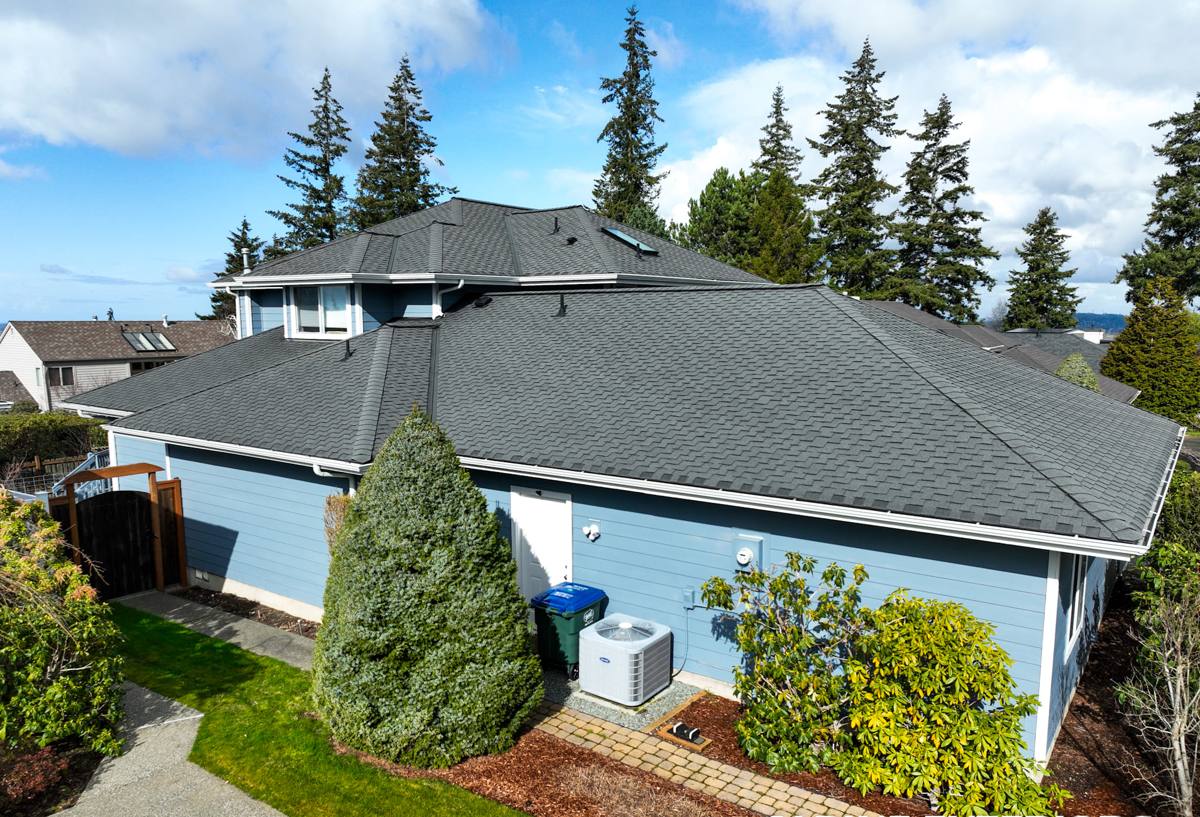
Most homes in this part of Pinellas County are single-story or low-profile, with yards that back up to other residential lots rather than open water — so decks here are usually built for everyday use: morning coffee, grilling, kids and pets, entertaining a few neighbors. That everyday-use pattern matters for design. A deck that gets used constantly needs a surface that stays comfortable underfoot in summer heat, doesn't retain standing water after an afternoon storm, and won't warp or splinter after a few years of sun exposure.
Sun and Heat Exposure
Florida sun is hard on any exterior material, but it's particularly hard on wood decking. UV breaks down the lignin in wood fibers, which is what causes graying, splintering, and surface checking over time. Dark-colored composite boards can also get uncomfortably hot underfoot in direct summer sun, which is worth thinking through at the design stage — board color and orientation both play a role in how a deck actually feels to use.
Humidity and Moisture Cycling
Pinellas County humidity means decking materials are almost never fully dry. Wood expands and contracts with moisture changes, and if a deck isn't built with the right gaps, fasteners, and airflow underneath, that constant cycling loosens boards, corrodes hardware, and eventually leads to rot in the framing. This is one of the most common issues we find when we're called out to repair or rebuild an older deck in this area.
Wind and Storm Loads
Kenneth City isn't coastal, but it's still inside a wind-borne debris region under Florida's building code, and it still sees the outer bands of tropical systems most years. Railings, ledger board attachments, and post connections all need to be engineered for uplift and lateral load, not just built to look sturdy. This is a code requirement, not an upsell — Pinellas County inspectors check it, and it's the difference between a deck that survives a storm and one that doesn't.
What a Correctly Built Deck Involves
A deck is a structure first and a surface second. The parts nobody sees — footings, framing, flashing, fasteners — determine whether the deck lasts 25 years or needs major repair in five. Here's what we consider non-negotiable on every custom deck we build.
Footings and Foundation
Footings need to be sized and set to local frost-free depth requirements (not a concern for freeze in this part of Florida, but very much a concern for soil bearing capacity and drainage) and poured to the dimensions the engineered plan calls for. Undersized or poorly placed footings are one of the top causes of deck settling and post rot.
Ledger Board Attachment
If the deck attaches to the house, the ledger board connection has to be flashed correctly to keep water from getting behind the siding or into the rim joist. This is one of the most common failure points on older decks — a poorly flashed ledger is a slow, hidden leak that can rot framing and damage the house itself long before it's visible from outside.
Framing and Fasteners
We use fasteners and structural connectors rated for exterior and, where salt exposure is a factor, coastal-grade hardware — standard interior-rated screws and brackets corrode fast in this environment and are a common cause of premature failure. Joist spacing and beam sizing follow the engineered span tables for the decking material chosen, not a generic layout.
Decking Surface
Board selection depends on budget, maintenance tolerance, and how the deck will be used. We'll walk through the honest tradeoffs of each material rather than pushing whatever has the best margin.
| Material | Upfront Cost | Maintenance | Climate Fit for This Area |
|---|---|---|---|
| Pressure-treated wood | Lowest | Annual sealing/staining recommended | Needs consistent upkeep to resist humidity and UV; shortest lifespan without maintenance |
| Composite decking | Mid to high | Occasional cleaning, no sealing/staining | Strong performer in humidity; choose lighter colors to manage heat underfoot |
| Tropical hardwood | High | Periodic oiling to maintain color | Naturally dense and rot-resistant, but requires ongoing care in intense UV |
| PVC/cellular decking | Highest | Minimal — cleaning only | Excellent moisture resistance; among the most stable in humid, salt-air conditions |
Railings, Stairs, and Hardware
Railings and stairs are handled to the same standard as the deck frame itself — they're the part of the structure most likely to see repeated stress from daily use, and they're a code-inspected life-safety item. We use fasteners and connectors matched to the decking material and rated for outdoor exposure, and we build railing height and baluster spacing to current Florida Building Code requirements. On stairs, tread depth and riser height are dialed in for safe, even footing, which matters more than it sounds like once a staircase has been in daily use for a few years.
Our Process for a Kenneth City Deck Project
- Free on-site estimate. We walk the yard, talk through how you'll use the space, and take measurements and photos to start a design.
- Design and material selection. We go over layout options, decking material tradeoffs, and railing style, with a clear written scope and price.
- Permitting. Deck construction in Pinellas County requires a permit and inspection. We handle the permit application and coordinate required inspections so you don't have to navigate the county process yourself.
- Site prep and footings. We lay out and dig footings to the engineered plan, then pour and let them cure before framing begins.
- Framing. Ledger attachment, posts, beams, and joists go in with corrosion-resistant hardware sized for this climate.
- Decking, railing, and stairs. Surface material, railings, and stairs are installed to code and to the design you approved.
- Final walkthrough and inspection sign-off. We confirm everything passes inspection and walk the finished deck with you before calling the job done.
Why It Matters to Hire a Crew That Already Works in Kenneth City
A crew that regularly works Pinellas County jobs already knows the county permitting process, the inspection expectations, and the wind and flood provisions that apply to residential construction here. That familiarity shortens the permitting timeline and avoids the back-and-forth that comes from a contractor guessing at local requirements. It also means we've already seen how decks in this specific climate age — which materials hold up, which fastener types fail early, and which framing details actually matter versus which ones are just upsells. That local track record shapes every recommendation we make, not just the sales pitch.
Maintaining Your Deck After Installation
Even a well-built deck needs some ongoing attention in this climate. A simple seasonal routine keeps a custom deck performing the way it should for decades:
- Rinse pollen, salt residue, and debris off the surface every few weeks, more often near the coast
- Check railings and stair connections annually for loosening or corrosion
- Clear leaves and debris from between boards and around footings to keep water moving
- Re-seal or re-stain wood decking on the manufacturer's recommended schedule, typically every 1-2 years in this climate
- Inspect the ledger board area after major storms for signs of water intrusion
- Trim back overhanging vegetation to reduce moisture retention and debris buildup on the surface
Get a Free Estimate for Your Kenneth City Deck
If you're planning a new deck or need to replace one that's showing its age, we're happy to come take a look, talk through what makes sense for your yard and budget, and put together a straightforward estimate. There's no pressure and no obligation — just fill out the form below and we'll get in touch.