 Seminole Siding
 Windows Built for the Ridgecrest Climate, Not a Catalog
Ridgecrest homes sit in one of Seminole's established residential pockets, and like the rest of Pinellas County, the windows on these houses face a tougher job than windows almost anywhere else in the country. Hurricane-force wind events are a real possibility every storm season. The sun is intense and constant, not just a summer problem. Wind-driven rain finds its way into any gap that isn't sealed correctly. And the salt air drifting in off the Gulf slowly works on metal hardware, fasteners, and frame finishes year-round, whether a storm ever shows up or not.
A "custom window" job in this context isn't about fancy shapes or oversized picture windows, though we do those too. It's about getting a window that's engineered, sized, and installed correctly for a specific opening in a specific house that has to survive this specific climate. That's a different standard than what a big-box replacement crew is usually working to, and it's the standard we hold every Ridgecrest job to.
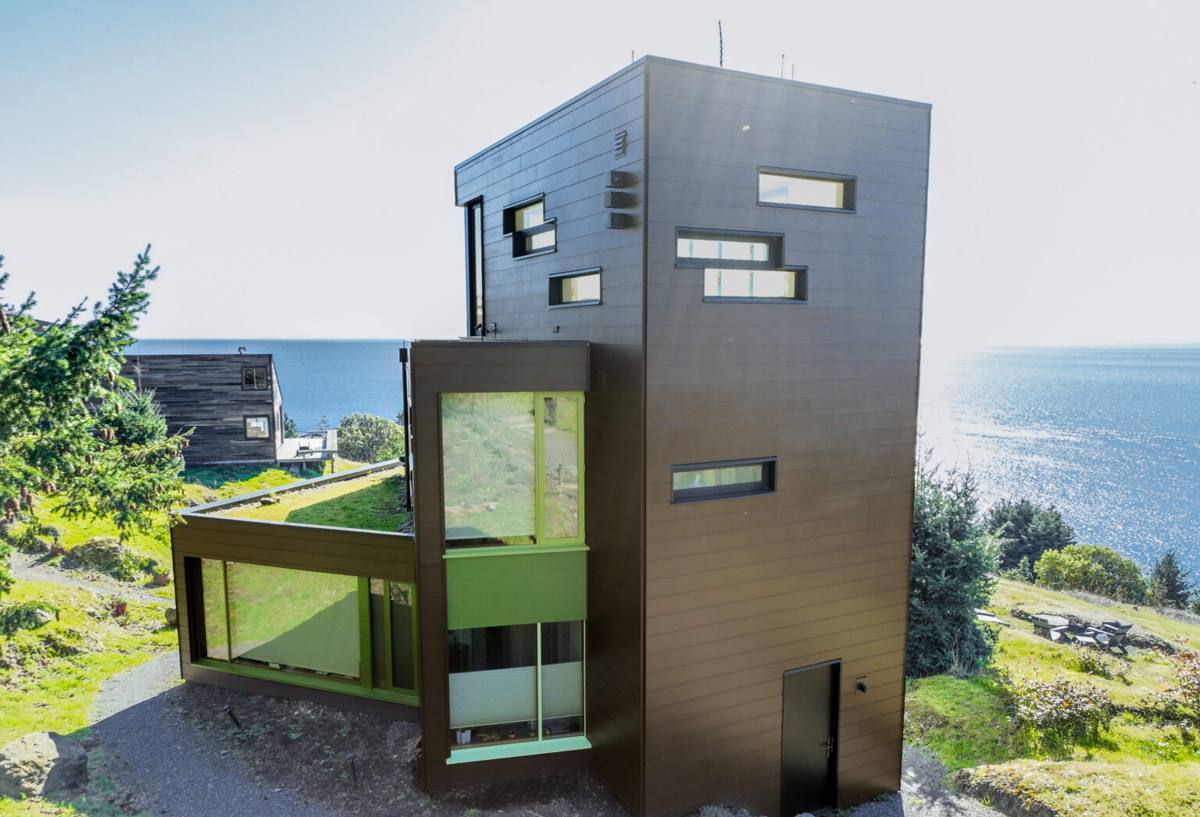
What "Custom" Actually Means for a Ridgecrest Home
Most homes in this part of Seminole were built across a range of decades, which means no two houses have identical openings even if they look similar from the street. Stucco-over-block construction, settling, old caulk lines, and prior renovations all shift what a window opening actually measures today versus what the original builder cut. Custom work starts with precise, on-site measurement of every single opening — not an assumption based on a standard size chart.
Matching the Look of the House
Custom also means respecting the architectural details already on the home: grid patterns, sightlines, trim depth, and how the window sits relative to the stucco or siding around it. A window that's technically well-built but visually wrong for the house drags down curb appeal and can complicate resale down the line.
Sizing for Function, Not Just Fit
Egress requirements for bedrooms, ventilation needs in bathrooms and kitchens, and impact glass weight (which is significantly heavier than standard glass) all affect what hardware and frame reinforcement a given opening needs. Custom sizing accounts for all of that up front instead of forcing a stock unit to work.
Frame Materials: What Actually Holds Up Near the Gulf
Frame material choice matters more here than in a drier, cooler climate, because salt air and constant UV exposure accelerate wear on the wrong materials. Here's how the common options stack up for a Seminole application:
| Frame Material | Salt Air / Corrosion Resistance | UV & Fade Resistance | Maintenance | Typical Cost Position |
|---|---|---|---|---|
| Vinyl | Very good — won't corrode | Good on modern formulations; lower grades can chalk over time | Low — occasional rinsing | Lower to mid-range |
| Aluminum | Fair — needs a quality coastal-grade finish or it will pit and corrode | Good with proper anodized or powder-coat finish | Moderate — hardware and finish need periodic attention | Mid-range |
| Fiberglass / Composite | Excellent — dimensionally stable, doesn't corrode | Excellent | Low | Higher |
| Wood (unclad) | Poor without cladding — moisture and humidity are constant risks here | Poor — needs regular refinishing | High | Higher |
We don't push unclad wood on coastal Seminole homes as a general rule. It's not that wood windows are inherently bad — they're not — but in this humidity and salt exposure, an uncladded wood frame demands a maintenance schedule most homeowners don't want to keep up with, and the moisture risk to the surrounding framing is real if that maintenance slips. Clad wood, quality vinyl, and fiberglass all give you better odds with less upkeep.
Glass and Wind-Borne Debris Protection
Pinellas County falls within Florida's wind-borne debris region under the Florida Building Code, which means window openings on most Ridgecrest homes need to meet specific impact or protection standards — either impact-rated glass itself, or code-approved shutters or panels installed alongside standard glass. Impact-rated glass uses a laminated interlayer that holds together under debris strikes and sustained pressure differences during a storm, rather than a code-compliant covering you have to deploy separately every time a storm approaches.
Low-E Coatings for the Sun, Not Just the Storm
Because UV exposure here is intense and constant, we typically recommend Low-E glass coatings regardless of impact rating. They cut down on heat gain and fabric/flooring fade inside the home without darkening the glass noticeably. For west- and south-facing openings especially, this is one of the more noticeable comfort upgrades a homeowner will feel.
Getting the Rating That Actually Applies
Every impact-rated window carries a Florida product approval number tied to specific size, design pressure, and installation requirements — it isn't a blanket rating you can apply to any opening. Part of doing this job correctly is confirming the specific product approval covers the exact opening size and wall condition on your house, not just installing "impact glass" generically and assuming it's covered.
Signs Your Current Windows Are Already Losing the Fight
Before we ever talk about custom replacement, it's worth knowing what to look for. Windows in this climate tend to fail quietly — by the time they're obviously broken, moisture has often already gotten into the wall.
- Fogging or condensation between panes (a failed seal on double-pane glass)
- Soft, discolored, or bubbling drywall or wood trim around the frame
- Frames that are visibly chalky, pitted, or corroded, especially on aluminum
- Windows that are difficult to open, close, or lock — often a sign of frame warping
- A noticeable draft or whistling sound during windy conditions
- Visible daylight or gaps around the frame when the window is closed
- A jump in cooling costs without any other explanation
Any one of these on their own might just need a repair. Several of them together, especially on an older single-pane or non-impact window, usually means it's time to talk about replacement before the next storm season tests it.
How the Installation Actually Works
The install itself is where most of the long-term performance of a window is won or lost — a great window installed poorly will leak and fail well before its rated lifespan. Our process on Ridgecrest jobs runs in this order:
- On-site assessment and precise measurement of every opening, including a check of the surrounding wall for existing moisture damage
- Product selection based on the specific opening, orientation, and required design pressure rating
- Permit application and product approval documentation filed before any work begins
- Careful removal of the old unit, with the opening inspected and, if needed, repaired before the new window goes in
- Setting the new window plumb, level, and square, with manufacturer-specified fasteners and anchoring for the required wind load
- Flashing and sealing designed for wind-driven rain, not just a bead of caulk around the perimeter
- Interior and exterior finish work to match the surrounding trim and stucco
- Final inspection and walkthrough with the homeowner before we consider the job done
Skipping or rushing any one of these steps is exactly how a homeowner ends up with a good window that still leaks or fails during a storm. We don't shortcut the sequence.
Permits and Code Compliance in Seminole
Window replacement in Pinellas County requires a permit in nearly all cases, and that permit process exists to confirm the product approval and installation method actually meet the wind load requirements for your address. It's not paperwork for its own sake — it's the mechanism that protects you if you ever need to make an insurance claim after a storm, and it protects your resale value, since unpermitted window work is a common issue that surfaces during a home sale inspection.
We handle the permitting and inspection process as part of the job rather than treating it as the homeowner's problem to sort out. That includes making sure the product approval documentation we submit actually matches the windows going into your specific openings.
Living With Your New Windows: Simple Upkeep in a Salt Air Climate
Custom, code-compliant windows still need basic maintenance in this environment to hit their full lifespan:
- Rinse frames and tracks periodically, especially on homes closer to the water, to clear salt residue before it accumulates
- Keep weep holes (the small drainage openings along the bottom of the frame) clear of dirt and debris so water can drain out properly
- Lubricate locks and hardware annually — salt air is hard on metal moving parts even with a good finish
- Inspect exterior sealant once a year and have any cracked or shrunken caulk addressed before rainy season
None of this is heavy work, but skipping it entirely is how a well-installed window still ends up with problems ten years earlier than it should.
Why a Crew That Already Works in Ridgecrest Makes a Difference
A contractor who regularly works this specific area of Seminole has already seen how homes in this neighborhood were built, what their openings typically look like once you get the old windows out, and what the local permitting process expects. That familiarity shows up in fewer surprises mid-job, more accurate quotes up front, and a crew that's easy to reach if a question comes up after the work is done. It also means we're not learning Pinellas County's wind load and permitting requirements on your house — we already know them.
If your Ridgecrest home has windows that are aging, drafty, fogged, or just not rated for what this coast throws at them, we're glad to take a look. We offer a free, no-pressure estimate — use the form below to get a time on the calendar and we'll walk the property with you.