 Seminole Siding
 Treasure Island Decks Face a Tougher Climate Than Most
A deck on Treasure Island doesn't age the way a deck does twenty miles inland. Sitting out on the barrier island, exposed to open water on more than one side, these decks take a steady beating from salt-laden air, near-constant sun, and the wind-driven rain that comes through the Tampa Bay area every summer and during tropical systems. What looks like a cosmetic issue — a little graying, a loose board, a rust streak around a nail head — is very often the surface sign of something happening underneath that a Seminole-based deck won't see for years, if ever.
We work on decks across Seminole and the surrounding Pinellas County coastline, and Treasure Island properties consistently need more frequent attention than homes even a few miles inland. That's not a sales pitch, it's just how the environment out there behaves. This page is about what a correct deck repair looks like for this specific location — not a generic rundown of deck maintenance.
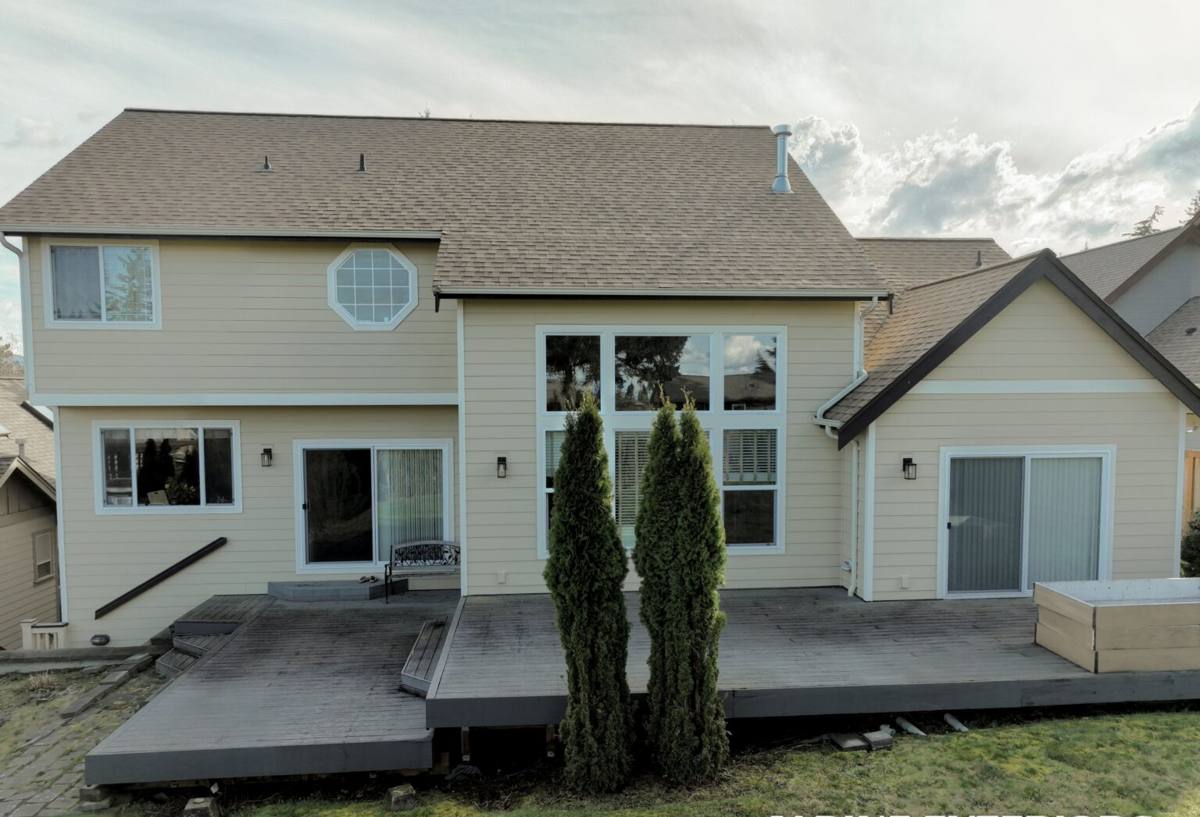
How Salt Air, Sun, and Storms Damage a Deck
Salt Air and Fastener Corrosion
Airborne salt doesn't need direct ocean spray to do damage — it travels on the wind and settles on every exposed surface, including the metal holding your deck together. Standard coated deck screws, joist hangers, and bolts corrode faster here than almost anywhere else in the county. Once a fastener starts rusting, it loses grip strength long before it looks obviously bad, which is why a deck can feel "solid enough" right up until a board or railing section fails.
UV Exposure and Wood or Composite Breakdown
Florida sun is intense and consistent year-round, not seasonal. On wood decking, UV breaks down the surface fibers and dries out natural oils, leading to graying, splintering, and checking (those long surface cracks along the grain). On composite decking, UV causes fading and can make some older-generation products more brittle at the surface over time. Either way, the top side of the boards takes the worst of it, while the underside stays comparatively protected — which is a clue we look for during inspection.
Wind-Driven Rain and Hidden Rot
Rain that comes in sideways during a storm gets pushed into places a normal rain shower never reaches — under railings, behind ledger boards, into fastener holes, and along the top edges of joists. That moisture doesn't always dry out quickly in Florida's humidity, and it's usually hidden from view. Rot and moisture damage in the framing is the most common serious problem we find on Treasure Island decks, and it's almost always worse than what's visible from the surface.
Signs Your Deck Needs Repair
Most homeowners call us after noticing one of these. If you're seeing any of the following, it's worth having someone look before it gets worse:
- Boards that feel spongy, bouncy, or soft underfoot
- Visible rust streaking around screws, bolts, or metal connectors
- Railings or posts that wiggle or feel less rigid than they used to
- Gaps opening up between boards, or boards cupping (edges higher than the middle)
- Graying, splintering wood or noticeably faded, chalky composite surfaces
- A ledger board area (where the deck attaches to the house) that looks discolored or has gaps around the flashing
- Stairs that feel less solid or have visible movement at the stringers
- Any area that stays damp longer than the rest of the deck after rain
Repair or Replace? Comparing Your Options
Not every deck problem means a full rebuild, but not every problem is a quick fix either. The right call depends on how much of the structure is affected versus just the surface. Here's how the common scenarios generally break down for coastal Pinellas County decks:
| Situation | Typical Approach | Rough Cost Range |
|---|---|---|
| A few damaged boards, structure sound | Board replacement, fastener upgrade | Several hundred dollars |
| Railing or stair movement, isolated rot | Targeted structural repair | Low-to-mid hundreds |
| Ledger board or joist rot from water intrusion | Framing repair with new flashing | Mid hundreds to low thousands |
| Widespread rot, corrosion, or age across the frame | Full or partial rebuild | Several thousand and up |
These are general ranges, not a quote — every deck is different, and the only way to know what you're actually dealing with is a hands-on inspection. We'll always tell you honestly if repair makes sense or if you'd just be spending money to delay a rebuild.
What a Correct Deck Repair Actually Involves
Structural Framing and Footings
The framing is what actually holds the deck up, and it's the part most often overlooked in a surface-level repair. We check joists, beams, and footings for rot, movement, and undersized or corroded connectors — not just the boards you can see standing on top.
Ledger Board and Flashing
Where the deck meets the house is the single most common failure point we find on older decks, especially ones that predate proper flashing details. Water gets behind the ledger board and rots both the ledger and the rim joist of the house before it's ever visible from outside. A proper repair addresses the flashing, not just the wood.
Fasteners and Hardware Rated for Coastal Use
This is where a lot of repairs done by out-of-area crews fall short. We use fasteners and structural connectors rated for coastal, high-corrosion environments — not the standard coated hardware that's fine forty miles inland but starts rusting within a couple of seasons this close to the water. It costs a little more up front and saves you from repeating the same repair.
Permitting Considerations
Depending on the scope of work, deck repairs in Pinellas County — and specifically within Treasure Island's jurisdiction — may require a permit, particularly for structural framing work, railing height changes, or anything affecting a load-bearing connection to the house. We handle that process as part of the job rather than leaving it for you to sort out.
Our Deck Repair Process
1. Inspection
We get under the deck, not just walk across the top. That means checking joists, the ledger connection, footings, and fastener condition, along with the visible surface issues.
2. Honest Scope and Written Quote
You get a clear explanation of what's actually wrong, what needs to be repaired versus what's simply cosmetic, and a written quote before any work starts. No surprise add-ons mid-job.
3. The Repair Itself
We replace damaged framing and boards, correct flashing where needed, and upgrade fasteners and hardware to coastal-rated materials as part of the repair — not as an optional upsell.
4. Final Check and Cleanup
We walk the finished deck with you, confirm everything is solid, and leave the site clean. If a permit or inspection was required, we make sure that's closed out too.
Why a Crew That Already Works Treasure Island Matters
Barrier island work has its own logistics — bridge access, tighter lot lines, condo and HOA requirements in some areas, and a narrower weather window during storm season when scheduling has to account for wind and rain risk. A crew that already works this area on a regular basis isn't learning these things on your job. We know what materials actually hold up out here versus what looks fine in a showroom, and we build that into every repair, not just the ones where a customer specifically asks for "hurricane-grade" hardware.
We're a Seminole-based crew, and Treasure Island is part of our regular service area — this isn't a one-off trip for us.
Keeping Your Repaired Deck Lasting in This Climate
A good repair is only half the equation — how the deck is maintained afterward matters just as much out here. A few habits go a long way:
- Rinse salt residue off the deck surface and railings periodically, especially after windy stretches
- Keep gutters and downspouts near the deck clear so water isn't dumping onto or under it
- Check railing and stair connections for movement once or twice a year
- Reseal or refinish wood decking on the schedule appropriate for the product — don't wait until it's visibly gray and dry
- After any major storm, do a quick visual check for loosened boards, hardware, or new gaps before heavy use
If you're dealing with a soft board, a wobbly railing, or you just haven't had your deck looked at in a while, we're happy to come take a look. Estimates are free and there's no pressure to move forward — you'll get a straight answer about what your deck actually needs.