 Seminole Siding
 Siding Repair Built for a Barrier Island, Not a Subdivision
Indian Rocks Beach sits right on the Gulf, and homes there take on a different kind of weather stress than houses a few miles inland in Seminole. The same storm system that just rattles windows in a shielded neighborhood can drive rain sideways into a wall assembly on the beach, and the salt air never really stops working on exposed materials, rain or shine. Siding repair out here isn't just patching a hole — it's restoring a wall's ability to shed water and stand up to wind in one of the more exposed corners of Pinellas County.
We work Indian Rocks Beach regularly as part of our normal service area out of Seminole, so this isn't a page written about a place we visit occasionally. It's written from actually diagnosing and repairing siding on homes that face this exposure every day.
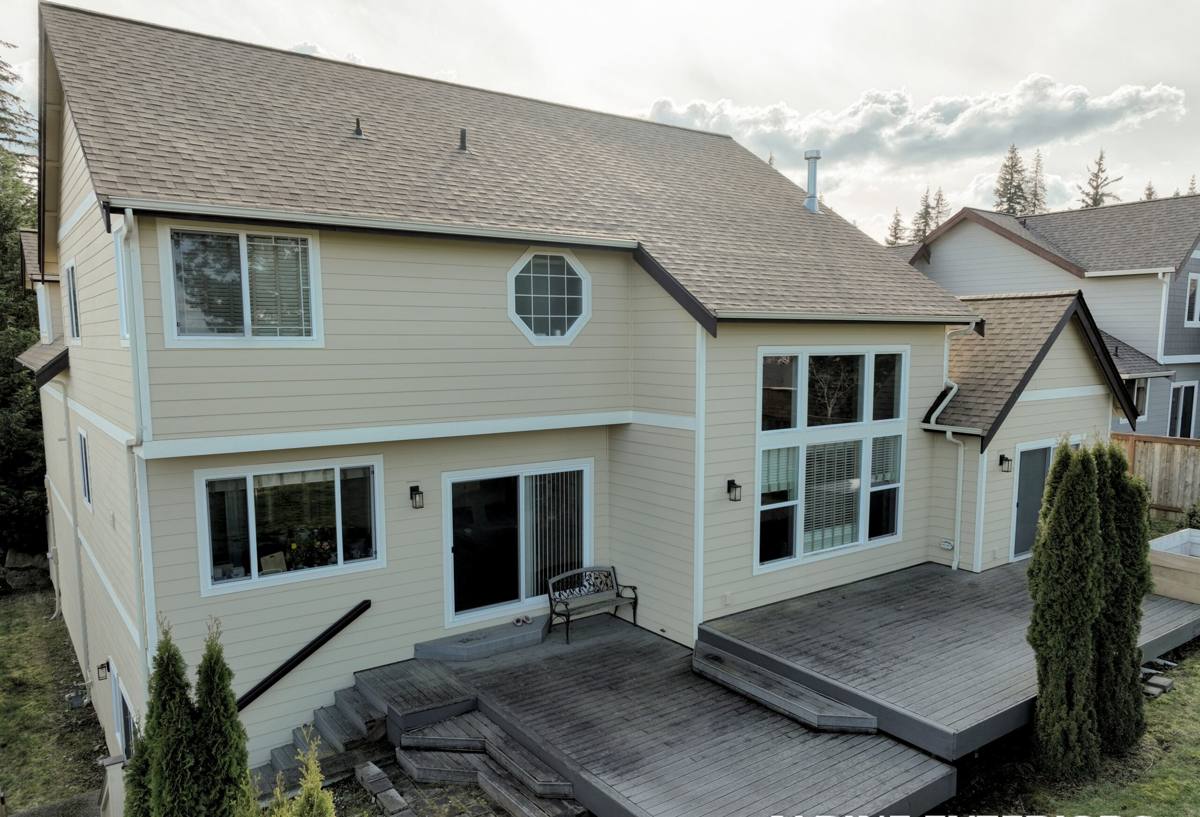
What the Coastal Climate Actually Does to Siding
Four things drive almost every repair call we get near the water:
- Hurricane-force wind: even when a storm doesn't make direct landfall, wind gusts pull at siding edges, work fasteners loose, and drive rain up and under laps that were never meant to face water from that angle.
- Wind-driven rain: water doesn't just fall on beachfront homes, it gets pushed horizontally into seams, trim joints, and corners — spots that stay dry on a typical inland wall.
- Constant, intense UV: year-round Florida sun breaks down caulking, fades unprotected finishes, and dries out anything not engineered to hold up to it.
- Salt air: airborne salt accelerates corrosion on fasteners and trim, and it settles into every crevice, which is part of why regular rinsing matters more here than inland.
None of this means siding on the beach is doomed to fail — it means it has to be installed and repaired correctly the first time, because there's less margin for shortcuts.
Signs an Indian Rocks Beach Home Needs Siding Repair
Catching damage early is cheaper and less disruptive than waiting until it spreads into the wall assembly. Walk your exterior periodically and look for:
- Boards or panels that look warped, bowed, or no longer sit flat against the wall
- Soft or spongy spots when you press on the siding, especially near the bottom courses
- Cracking or splitting, particularly around corners, trim, and penetrations like hose bibs or vents
- Popped or backed-out fasteners, or streaks of rust bleeding down from nail heads
- Gaps opening up at trim boards, window casings, or where siding meets the roofline
- Peeling, chalking, or noticeably faded paint on any patched or repainted sections
- A musty smell, visible staining, or bubbling drywall on an interior wall that backs up to the exterior
Any one of these on its own might be minor. Several together, or anything paired with an interior sign of moisture, means it's worth having someone look at what's happening behind the siding, not just at the surface.
Repair or Replace? How We Draw the Line
Not every damaged section needs a full re-side. If the problem is isolated — a cracked board from impact, a section loosened in a storm, fastener issues in one area — a proper repair can restore that section without touching the rest of the wall. But if the damage points to a chronic moisture problem behind the siding, or if the underlying water-resistive barrier and flashing have failed over a wider area, patching over it just hides the problem until it resurfaces, usually worse. Part of doing this job honestly is telling a homeowner when a repair is the right call and when it isn't.
What a Correct Repair Actually Involves
A siding repair that's done right is not just "match the board and nail it up." On a coastal home, the steps that actually matter are:
- Remove the damaged material carefully so the surrounding boards and trim aren't stressed or cracked in the process.
- Inspect what's behind it — the house wrap or building paper, the flashing at any penetrations, and the sheathing itself. This is the step that gets skipped by anyone just trying to make a quick patch look good.
- Repair or replace the water-resistive barrier if it's torn, gapped, or degraded, and correct any flashing that's directing water into the wall instead of away from it.
- Address any wet or compromised sheathing before new siding goes back on — closing damaged material over wet wood just traps the problem.
- Install new material to the same fastening and clearance standards the manufacturer specifies, not just "close enough."
- Match trim, caulking, and paint so the repair blends in rather than becoming its own future failure point.
Skipping the inspection step is the single biggest reason repairs fail twice. A section that gets re-covered without checking the wall behind it will usually show the same symptoms again within a season or two, especially in a wind-driven-rain environment like the beach.
Cost Factors in Coastal Siding Repair
Every repair is priced around its own scope, but the variables below are the ones that actually move the number on a barrier-island home:
| Factor | Why It Matters Here |
|---|---|
| Extent of hidden moisture damage | Wind-driven rain often travels further behind the wall than the visible surface damage suggests |
| Condition of sheathing and framing | Wet or soft sheathing has to be addressed before new siding goes on, which adds scope |
| Material match | Matching an existing product and finish is harder the older and more weathered the original siding is |
| Access and elevation | Second-story or hard-to-reach sections near the water take longer and require more setup |
| Flashing and trim corrections | Fixing the root cause (not just the symptom) at windows, corners, and penetrations adds labor but prevents repeat calls |
| Storm timing | Demand spikes after regional storm events, which can affect scheduling more than price |
We'll always walk you through which of these apply to your specific situation before any work starts — no surprise scope additions once we're already into the wall.
Why We Only Patch With James Hardie Fiber Cement
We install exclusively James Hardie fiber cement siding, and that standard carries through to repair work too. When a section of siding needs replacing, what goes back on the wall matters as much as how it's installed.
Fiber cement doesn't absorb water the way wood-based products can, and it's non-combustible — both of which matter on a home that's already fighting humidity and salt air year-round. Hardie's HZ5 product line is engineered specifically for hot, humid climates like ours, and the factory-applied ColorPlus finish is baked on and warranted against fading in a way that field-applied paint on a patch job typically isn't.
This is also why we're upfront when a homeowner asks us to patch existing vinyl, LP SmartSide, or another product with more Hardie: matching a different material's profile, texture, and finish rarely looks right, and mixing materials on one wall can create its own moisture and expansion issues at the seams. If your existing siding isn't Hardie, we'll tell you honestly what a like-for-like patch looks like versus what a longer-term re-side with Hardie would solve — including sections beyond just the damaged spot, so the color and texture read consistently across the wall.
Matching ColorPlus on a Repaired Section
Because ColorPlus is a factory finish, an exact color match on an older wall isn't always possible — sun exposure fades any finish over years, including baked-on ones, just more slowly than field paint. On visible walls, especially street-facing or ocean-facing elevations, we'll talk through whether a full-elevation refresh makes more sense than a patch that might read as a slightly different shade once it weathers in.
Our Repair Process
We keep this straightforward:
- On-site inspection of the damaged area and a check of nearby sections for related issues, not just the spot you called about
- Honest scope — we tell you what's cosmetic, what's structural, and what can wait versus what shouldn't
- Written estimate before any work begins, with the reasoning behind it
- Removal and inspection of the wall assembly behind the damaged siding
- Correction of the underlying cause — flashing, water-resistive barrier, or fastening — not just the visible symptom
- Reinstallation to spec using James Hardie material, with attention to matching what's already there
- Site cleanup so you're not left with debris from the repair
Why a Crew That Already Works Indian Rocks Beach Matters
Repair work on a barrier island isn't identical to repair work a few miles inland. Homes here face more direct salt exposure, more direct wind, and often tighter lots with different access considerations than a typical Seminole neighborhood. A crew that regularly works this specific stretch of coastline has already seen how these variables play out on real walls, which means less time spent diagnosing and more time spent fixing the actual problem.
There's also a practical side to being local: when a storm passes through and multiple homeowners need repair calls at once, a crew based in Seminole with an established route through Indian Rocks Beach can respond faster than one dispatching from further away. We're not a call center routing you to a subcontractor — we're the people who show up and do the work, and we're back in this area often enough to stand behind it.
Living With Repaired Siding in a Salt Air Environment
Once a repair is done right, a little ongoing care keeps it — and the rest of your siding — performing the way it should:
- Rinse exterior walls periodically with fresh water to clear accumulated salt, especially on elevations facing the Gulf
- Keep an eye on caulking at trim joints and penetrations, since intense UV breaks it down faster here than inland
- Walk the exterior after any significant storm to check for loosened sections or new gaps, rather than waiting for the next scheduled look
- Keep irrigation and landscaping from spraying directly on siding, which adds unnecessary moisture exposure on top of what the weather already delivers
If you're noticing warping, soft spots, cracking, or gaps on your Indian Rocks Beach home, we're glad to take a look and give you a straight answer on what it needs — a targeted repair, a broader correction, or just monitoring for now. The estimate is free, there's no pressure, and you'll get a clear explanation of what we find before anything else happens.