 Seminole Siding
 Kenneth City sits close enough to the Gulf that its homes take the same beating as the rest of Pinellas County: hurricane-force wind gusts, wind-driven rain that finds every gap, relentless UV that never really lets up, and salt-laden air that works on metal and wood year-round. Siding repair here isn't a cosmetic errand. Done wrong, a "quick patch" traps moisture behind the wall and turns a $400 fix into a $4,000 one. Done right, it stops the damage where it is and buys the rest of the wall system years of protected life.
Why Kenneth City Siding Takes a Different Kind of Beating
Kenneth City is inland compared to the barrier islands, but it's still well within the salt-air belt that runs through Seminole and the rest of Pinellas County. That salt air doesn't just corrode gutters and fasteners near the coast — it travels on the wind and settles on every exterior surface, accelerating rust on exposed nail heads and staining anything with a compromised finish. Add in Florida's UV load, which is intense enough to break down unprotected wood and lower-grade composite siding within a few years, and afternoon storms that drive rain sideways into lap joints and corner trim, and you have a climate that punishes any weak point in a siding system almost immediately.
Most siding repair calls we get in this area trace back to one of three root causes: a storm event that cracked or dislodged panels, long-term moisture intrusion at a poorly sealed joint, or UV and humidity breaking down material that was never rated for Florida's exposure in the first place.
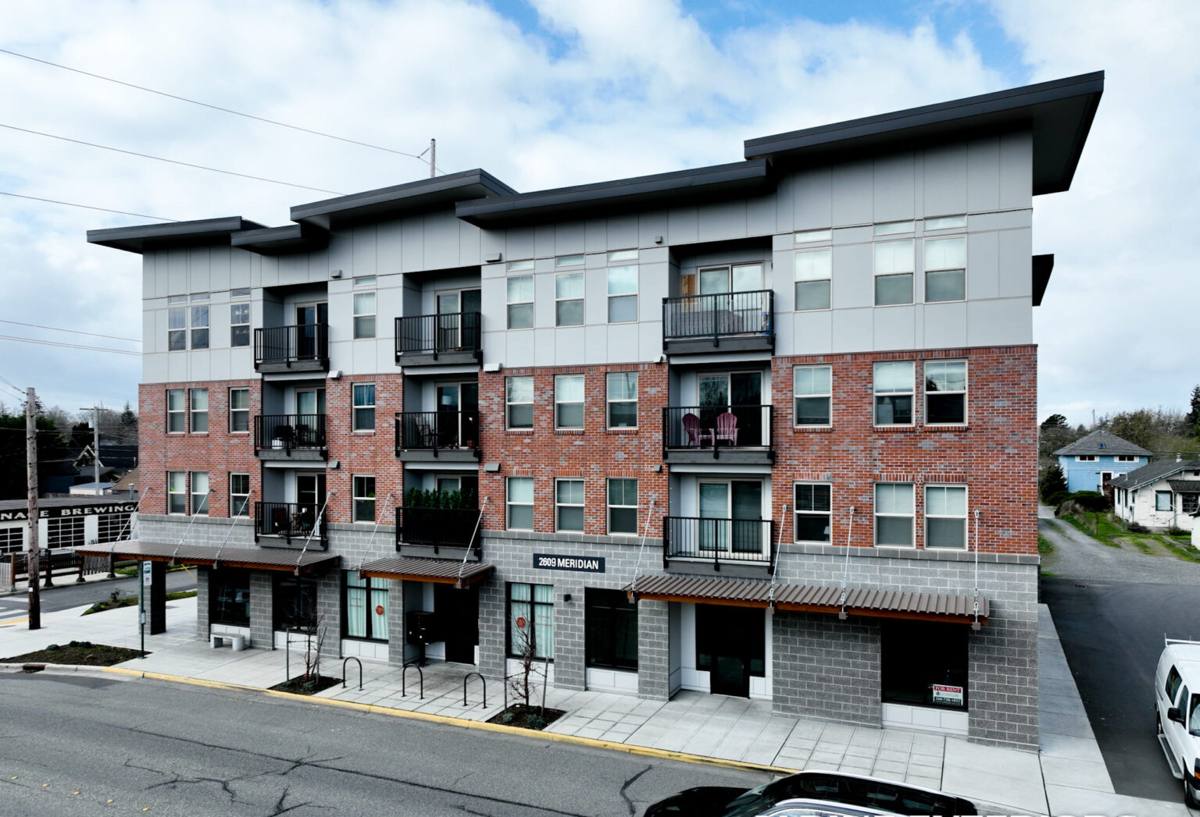
Common Siding Damage We See on Kenneth City Homes
Wind and impact damage
Straight-line gusts and tropical storm bands can crack panels, pop fasteners loose, or peel siding away from a corner where it wasn't properly fastened to begin with. Debris impact — branches, loose gutters, blown patio furniture — adds dents and cracks that look minor from the ground but break the water seal at that spot.
Moisture and rot at seams and penetrations
Anywhere siding is cut — around windows, doors, hose bibs, dryer vents, or electrical penetrations — is a place water can get behind the cladding if the flashing or caulking has failed. In humid Florida conditions, trapped moisture behind siding doesn't dry out on its own; it feeds rot in the sheathing and framing underneath.
UV fading, chalking, and warping
Lower-grade siding materials — and even some fiber cement that wasn't factory-finished — will fade, chalk, or warp under sustained Florida sun. Warping is especially common with wood-based products that were never engineered for this humidity and heat cycle.
Corrosion at fasteners and trim
Salt air accelerates rust on exposed or improperly coated fasteners. Once a fastener corrodes and loses its grip, the panel around it works loose, and that movement opens a path for water.
Repair or Replace? How We Make the Call
Not every damaged section needs a full re-side, and we're not going to sell a whole-house replacement when a targeted repair will hold. But we also won't patch over damage that's a symptom of a bigger problem. Here's roughly how the decision plays out on a typical Kenneth City service call:
| Situation | Usual Recommendation | Why |
|---|---|---|
| Isolated storm damage to 1-3 panels, sheathing dry underneath | Spot repair | Localized damage with no hidden moisture problem |
| Cracked or missing caulking at trim/penetrations, no rot yet | Reseal and inspect | Catching it early prevents the rot that would force a bigger repair later |
| Soft or spongy sheathing found behind siding | Repair section plus sheathing replacement | Rotted sheathing has to come out regardless of what siding goes back on |
| Widespread chalking, warping, or fastener failure across multiple elevations | Full or partial re-side | Repeated failures usually mean the original material or install wasn't suited to this climate |
| Non-Hardie material that's discontinued or unmatched | Case-by-case; often a re-side of that elevation | Patching mismatched material is a visible, permanent compromise |
What a Correct Siding Repair Actually Involves
A repair that only addresses what's visible from the street isn't a repair — it's a cover-up. Here's what we check and do on every job, regardless of size:
1. Pull the damaged section, not just patch over it
We remove enough siding around the damage to see the sheathing, house wrap, and flashing underneath. If we can't see it, we can't tell you honestly whether it's dry.
2. Inspect and dry out what's underneath
If moisture has reached the sheathing, that gets addressed before anything goes back on the wall — patching over wet material just seals the problem in.
3. Restore the water management system
Proper repair means correcting flashing, house wrap laps, and drainage planes so water sheds outward the way the system was designed to, not just replacing the visible panel.
4. Match material and fastening to code
We install fiber cement to the manufacturer's fastening schedule and Florida Building Code requirements for this wind zone — not generic spacing that happens to look fine.
5. Seal and finish to blend, not just cover
Trim, caulking, and touch-up finish are done so the repair holds up to UV and salt air the same way the original installation should have.
Why We Repair — and Replace — With James Hardie Fiber Cement Only
We install and repair with James Hardie fiber cement exclusively. That's a deliberate standard, not a brand preference, and it matters even more on repair calls than on new installs.
When we're patching into existing siding, material compatibility is critical. Fiber cement moves, weathers, and holds paint differently than vinyl or wood-based composite siding, so mismatched patches don't just look wrong — they can trap moisture at the seam between old and new material. Hardie's engineered-for-climate HZ5 product line is formulated for the moisture and humidity swings of the Southeast, its ColorPlus factory finish resists the fading and chalking that UV causes in lower-grade materials, and it's non-combustible, which matters for insurance and long-term durability alike. We don't install LP SmartSide, vinyl, Cemplank, Allura, or primed wood siding, because we've seen how those products perform — or underperform — in this exact climate over time, and we're not willing to put our name on a repair we don't trust to last.
On repair jobs specifically, this means we'll tell you honestly if a damaged section of non-Hardie siding can't be cleanly matched, rather than force a patch that will stand out and fail early.
Our Repair Process for Kenneth City Homes
- Inspection: We look at the damaged area and check adjacent siding, trim, and penetrations for related issues — storm and moisture damage rarely stays confined to one spot.
- Written estimate: You get a clear scope — what's being replaced, what's being resealed, and why — before any work starts.
- Scheduling around weather: Florida's storm season means we plan repair timing to avoid working siding open to the elements right before a forecasted system.
- The repair: Removal, inspection of what's underneath, correction of any water management issues, and reinstallation to code and manufacturer spec.
- Cleanup and walkthrough: We show you what was found and what was done — no vague "all fixed" without explanation.
Why a Crew That Already Works Kenneth City Matters
Siding repair in this part of Pinellas County isn't generic exterior work. A crew that's already worked in and around Kenneth City knows the wind-load and fastening requirements that apply here, has a feel for how quickly moisture problems develop in this humidity, and isn't guessing at permitting expectations for Pinellas County jobs. That local familiarity shortens the time between "something's wrong" and "it's fixed correctly" — there's no learning curve on the climate, the code, or the way Gulf-adjacent weather behaves.
It also means faster response when storm damage hits a whole neighborhood at once. A crew already scheduling work in Seminole and Kenneth City can get to an urgent repair — like an opened seam ahead of a storm — faster than a company driving in from across the bay.
Signs You Should Call for a Repair Inspection
- Cracked, warped, or missing siding panels anywhere on the home
- Soft spots, bubbling, or discoloration on interior walls near exterior siding
- Visible gaps or separation at corners, trim, or window and door edges
- Peeling paint or chalky residue that wipes off on your hand
- Rust streaks running down from fastener heads or trim
- Musty odor near an exterior wall, especially after heavy rain
- Siding that flexes or feels loose when pressed
After the Repair: Keeping Kenneth City Siding Protected
A correct repair should hold up for years, but Florida's climate keeps working on your siding every day after the crew leaves. Rinse siding periodically to clear salt residue, especially after long dry stretches followed by storms. Keep an eye on caulking around trim and penetrations — it's the first thing to fail, and catching a cracked bead early is far cheaper than catching it after water gets behind the wall. And after any significant storm, a quick visual walk-around of the exterior costs nothing and can catch a small problem before it becomes a repair call.
If you're seeing damage, discoloration, or soft spots on your Kenneth City home's siding, we'll come take an honest look and give you a straight answer on what it needs — repair or replacement, no pressure either way. Reach out using the form below for a free estimate.