 Seminole Siding
 Why Pinellas Park Roofs Wear Differently Than Roofs Inland
Pinellas Park sits in the thick of it — close enough to Tampa Bay and the Gulf that salt-laden air, near-constant humidity, and hurricane-season wind events are simply part of owning a home here. A shingle roof that would coast along for 25 years in a drier, calmer climate gets tested every single year in this part of Pinellas County. That doesn't mean asphalt shingles are the wrong choice for the neighborhood — they're still the most practical, cost-effective option for the vast majority of homes here. It means the installation has to account for what the roof will actually face, not just what a spec sheet promises in ideal conditions.
Three things do most of the damage over time: sustained UV exposure that bakes the oils out of shingle asphalt and turns them brittle, wind-driven rain that finds any gap in flashing or underlayment and drives water sideways instead of letting gravity do the work, and salt air that accelerates corrosion on fasteners, vents, and drip edge. Add in the occasional direct hit from tropical-storm or hurricane-force wind, and you've got a roof that's earning its keep every day it's up there. A roof installed with shortcuts might look fine for a year or two, then fail exactly when a storm puts it to the test.
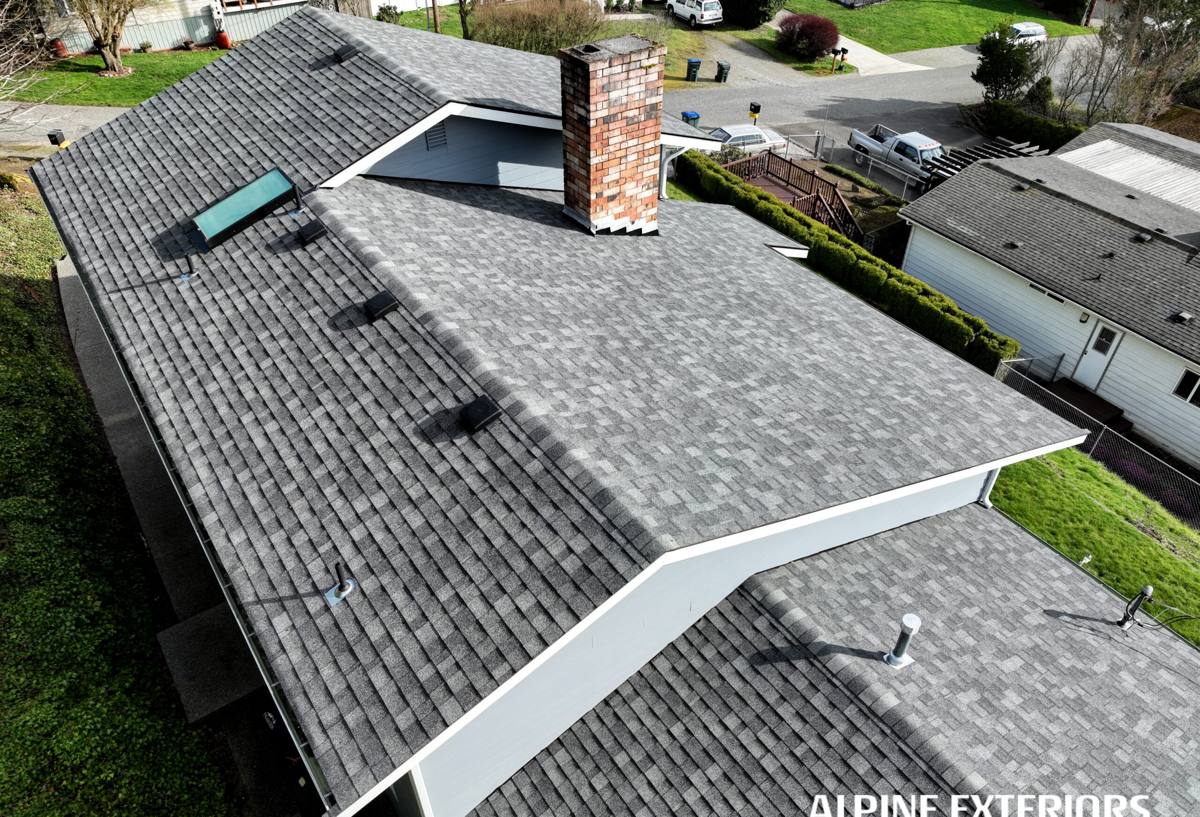
What a Correct Asphalt Shingle Roof Involves Here
"Correct" for Pinellas Park isn't exotic — it's a handful of details done right, every time, instead of skipped when nobody's checking. The differences between a roof that holds up and one that doesn't usually come down to what's underneath the shingles and how they're fastened, not the shingle brand printed on the wrapper.
Underlayment and Water Barrier
A synthetic underlayment (or a self-adhering membrane in vulnerable areas like valleys and eaves) gives the roof a second line of defense if wind ever lifts or damages a shingle course. In a climate with regular wind-driven rain, this layer isn't optional extra protection — it's the difference between a leak and a non-event when a shingle takes a hit.
Nailing Pattern and Fastener Choice
Florida Building Code sets minimum nailing requirements for high-velocity wind zones, and Pinellas County inspectors check for it. Six-nail patterns (instead of the older four-nail standard) are common on Pinellas Park re-roofs specifically because the extra fastening points matter when gusts get involved. We also use corrosion-resistant fasteners given how much salt exposure the air carries this close to the coast.
Flashing at Every Transition
Chimneys, sidewalls, skylights, and roof-to-wall intersections are where the majority of real-world leaks start — almost never in the open field of shingles. Properly formed and sealed flashing at these transitions is where an installer's attention to detail either shows or doesn't.
Ventilation
Florida attics run hot. Without balanced intake and exhaust ventilation, trapped heat shortens shingle life from underneath and can push cooling costs up. A roof job that doesn't address ventilation is only solving half the problem.
Wind Ratings and What Pinellas County Code Actually Requires
Pinellas Park falls within a High-Velocity Hurricane Zone influence area under Florida Building Code, which means permitted re-roofs have to meet specific wind-resistance and attachment standards — this isn't a marketing detail, it's a permit requirement. Shingles are rated for different wind speeds depending on their construction and how they're installed, and the permitting and inspection process exists precisely because rushed jobs used to fail during storms.
We pull permits, follow the current code requirements for nailing and underlayment, and schedule the inspections a legitimate re-roof requires. If a contractor is offering to skip the permit "to save time," that's a red flag, not a convenience — it usually means the work wasn't going to pass inspection in the first place.
Our Process for a Pinellas Park Re-Roof
- On-site inspection: We look at the current roof's condition, decking underneath, ventilation setup, and any problem areas (valleys, chimneys, low-slope sections) before quoting anything.
- Honest scope and estimate: You get a clear breakdown of what's being replaced, what shingle and underlayment system we're proposing, and why — no vague line items.
- Permit and material order: We handle the Pinellas County/city permit paperwork and order materials to spec once the scope is approved.
- Tear-off and deck inspection: Old roofing comes off down to the deck so we can actually see the wood underneath — this is where hidden rot or storm damage from years back sometimes turns up.
- Underlayment and flashing installation: Water barrier goes down first, then all flashing is formed and sealed at transitions before a single shingle is laid.
- Shingle installation to code nailing pattern: Installed to current Florida Building Code wind requirements, not the minimum that was standard a decade ago.
- Ventilation check and correction: Intake and exhaust venting are verified and corrected if the existing setup was inadequate.
- Final walkthrough and cleanup: We walk the job with you, and the property is cleared of debris and nails (magnetic sweep included).
- Inspection and documentation: Permitted work is signed off, and you're left with paperwork for warranty and insurance purposes.
Signs Your Pinellas Park Roof Needs a Closer Look
Most roof failures don't happen all at once — there are warning signs beforehand, if you know what to check for. Worth a walk-around after any significant storm, and periodically otherwise:
- Granules collecting in gutters or at downspout discharge points (a sign shingles are wearing thin)
- Shingles that look curled, cupped, or are visibly missing after wind events
- Dark streaking or staining on the roof surface (often algae, but worth having checked)
- Soft spots or sagging when viewed from the ground at a distance
- Water stains on interior ceilings, especially near chimneys or roof valleys
- Visible daylight through the attic decking or damp insulation
- Rusted or corroding flashing, vents, or exposed fasteners
- A roof that's 15+ years old and hasn't had a professional inspection recently
Comparing Shingle Options for This Climate
Not every asphalt shingle is built the same way, and the right choice depends on budget, wind exposure of the specific lot, and how long you want to go before your next re-roof. Here's how the common options stack up for a Pinellas Park home:
| Shingle Type | Typical Wind Rating | Best For | Trade-Offs |
|---|---|---|---|
| 3-Tab Asphalt | Lower end of code range | Budget-conscious re-roofs | Shorter lifespan, less impact resistance, flatter appearance |
| Architectural (Laminate) | Mid-to-high, varies by product | Most Pinellas Park homes | Higher upfront cost than 3-tab, but better wind performance and longer service life |
| Impact-Rated Architectural | Highest rating class | Exposed lots, insurance premium reduction | Highest material cost; may qualify for insurance discounts that offset it over time |
We install architectural shingles on the large majority of Pinellas Park re-roofs, because the wind performance and lifespan trade-off makes sense for most budgets. Impact-rated products are worth discussing if your insurance carrier offers a meaningful premium credit, or if the home sits in a particularly exposed spot.
Maintenance That Actually Extends Roof Life Here
Asphalt shingles in this climate benefit from a little attention rather than being ignored until something leaks. Keeping gutters clear so water doesn't back up under the eaves, trimming back overhanging branches that hold moisture and drop debris, and having the roof looked at after any named storm are the basics that make a real difference. Algae staining is cosmetic more often than structural, but it's worth mentioning to whoever inspects your roof so it doesn't get mistaken for something worse. None of this replaces a professional inspection every few years — small issues caught early (a lifted shingle tab, a small flashing gap) are inexpensive to fix and expensive to ignore.
Why Local Experience in Pinellas Park Specifically Matters
Roofing code, typical wind exposure, and even the way salt air behaves can vary meaningfully between a beachside property and one further inland in the same county — a crew that works Pinellas Park regularly already knows what this specific area throws at a roof. That means fewer surprises during the estimate, a scope that already accounts for the local permitting process, and installation choices that reflect what actually happens here during storm season rather than a generic national playbook. It also means when you call about something after the job's done, you're talking to a crew that's still working in your neighborhood, not one that's moved on to a different region entirely.
Permits, Insurance, and Warranty Basics
A legitimate re-roof in Pinellas Park requires a permit, and that permit process exists to protect you — it confirms the work meets current wind-resistance code, not just the code in place when the house was originally built. Manufacturer warranties on shingles are typically only valid when installation follows the manufacturer's specifications, which is another reason cutting corners on nailing pattern or underlayment isn't a shortcut worth taking — it can quietly void coverage you're counting on. If your roof was damaged in a storm, documentation from a permitted, inspected job also tends to make insurance claims more straightforward, since there's a clear paper trail of what was actually done.
If you're weighing a repair against a full re-roof, or just want an honest read on how much life is left in your current roof, we're happy to take a look and talk through it — no pressure, no obligation. Use the form below to request a free estimate for your Pinellas Park home.