 Seminole Siding
 Asphalt Shingle Roofing on a Barrier Island Takes a Different Kind of Beating
Redington Beach sits on a narrow strip of land with the Gulf of Mexico on one side and the Intracoastal Waterway on the other, and that position puts every roof in the area closer to full, unbuffered coastal exposure than almost anywhere else in Pinellas County. There's no ridge, no tree line, and no mile of inland development to soften what comes off the water. Hurricane-force wind gusts arrive with less resistance, salt-laden air settles on every exposed surface, and the sun sits directly overhead for most of the year with nothing to filter it. None of that makes asphalt shingles the wrong choice for a Redington Beach home — they remain a practical, cost-effective, widely proven roofing material even here. It means the roof has to be installed by a crew that treats this exposure as the standard, not the exception.
We're based just across the causeway in Seminole, and Redington Beach is a community we work in regularly. This page covers what the local climate actually does to an asphalt shingle roof, what a correctly built roof needs in order to hold up under it, how we run the installation from first inspection to final walkthrough, and what to check before you hire anyone for the job.
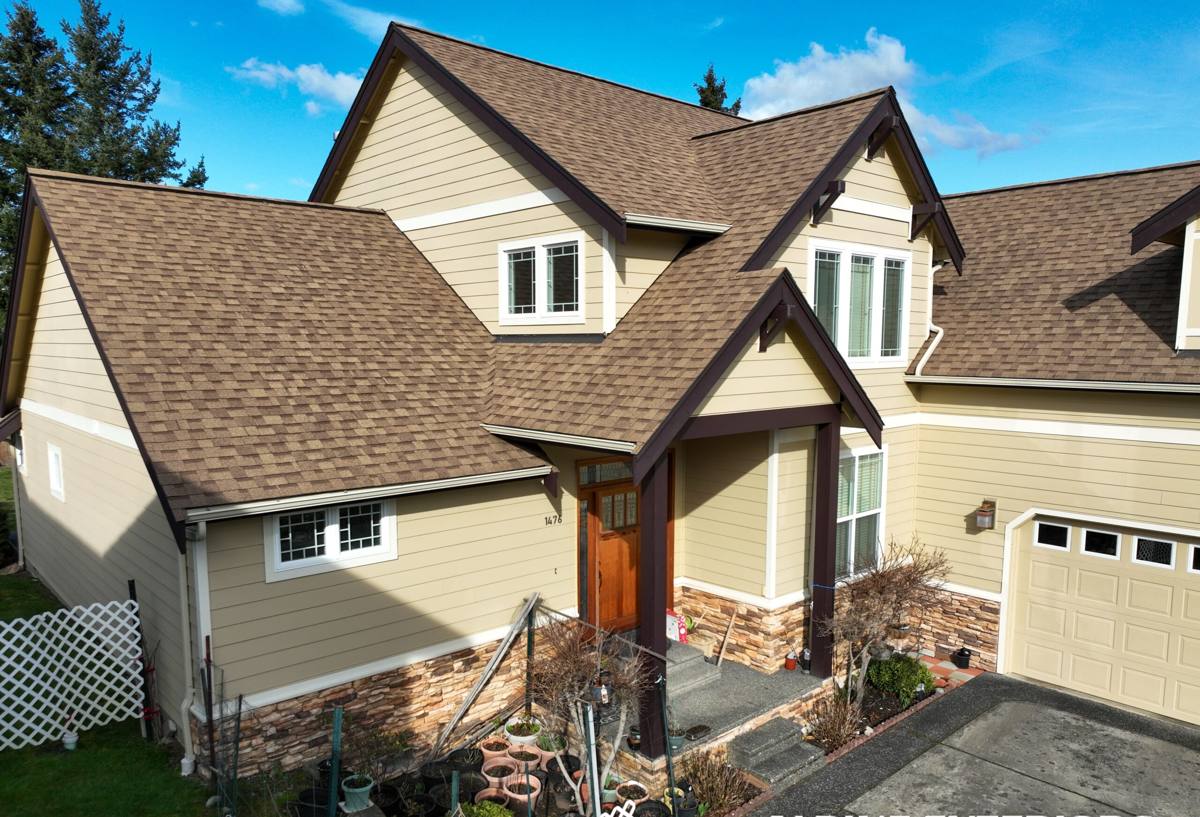
What Gulf-Front Exposure Does to an Asphalt Shingle Roof
Hurricane-Force Wind
Wind is the single biggest structural threat to a shingle roof on a barrier island. Sustained hurricane-force gusts, and the shorter but more violent squalls that come through even outside of a named storm, put direct uplift pressure on every shingle tab and every fastener holding it down. A roof that's nailed correctly, with the right number of fasteners placed in the manufacturer's specified nailing zone and a shingle product rated for the wind speeds this area actually sees, can take that pressure for years. A roof where nailing was rushed, high, or done with a staple gun instead of proper roofing nails starts losing tabs and whole shingles in far weaker wind events than the shingle's rated wind speed would suggest.
Intense, Year-Round UV
Florida's sun angle means Redington Beach roofs take in more cumulative UV exposure per year than roofs almost anywhere outside the Sun Belt. Over time, that UV load breaks down the asphalt in lower-grade shingles, dries out the granule adhesive, and accelerates the fading and brittleness that eventually shows up as cracking. It's one of the reasons shingle quality and granule technology matter more here than they would in a milder, cloudier climate — a roof that would look fine after ten years in the Northeast can show real wear in half that time under constant Gulf Coast sun.
Wind-Driven Rain
Rain falling straight down is easy for almost any roof to shed. Rain being pushed sideways and even upward by wind is a different problem — it works its way under shingle tabs, around flashing, and into any gap at a valley or penetration that would stay bone-dry in a calm storm. On a barrier island with nothing to slow the wind before it hits the house, wind-driven rain events are routine rather than rare, which is exactly why underlayment choice and flashing detail matter as much as the shingles themselves.
Salt Air
Airborne salt off the Gulf settles on every exterior surface in Redington Beach, and it doesn't take a direct ocean view for a home to be affected — the whole barrier island sits inside that salt-air envelope. Salt accelerates corrosion on exposed metal: fasteners, drip edge, flashing, and any vent stack or pipe boot hardware. It's a slow, cumulative process rather than a dramatic one, but over years it's a real factor in which components fail first on a coastal roof compared to one built the same way further inland.
What a Correctly Installed Roof Needs Here
A roof built for this exposure isn't a different roof in concept — it's the same asphalt shingle system built with less margin for shortcuts. The details that matter most on a Redington Beach roof are the ones that are easiest to skip and hardest to see once the job is finished.
- Six-nail fastening pattern: Many shingle wind-rating certifications are only valid with six nails per shingle rather than four, placed correctly in the nailing zone printed on the shingle itself.
- A shingle rated for this wind exposure: Standard-rated shingles exist for a reason, but a Gulf-front roof benefits from a product rated for higher sustained wind speeds and, ideally, a reinforced or high-wind sealant strip.
- Self-adhered underlayment at eaves and valleys: A secondary water barrier that seals around fastener penetrations gives the roof deck protection even if wind-driven rain gets past the shingle layer.
- Corrosion-resistant flashing and fasteners: Standard galvanized components corrode faster in salt air than higher-grade corrosion-resistant metal, and flashing is one of the most common points of long-term leak failure on coastal roofs.
- Balanced attic ventilation: Proper intake and exhaust airflow keeps heat and moisture from building up under the deck, which protects both the roof structure and the shingles from the underside.
Choosing the Right Shingle for a Gulf-Front Home
Not every asphalt shingle product is built for the same conditions, and the difference matters more on a barrier island than it does a few miles inland. The two big variables to weigh are the shingle's wind rating and its granule technology.
| Shingle Type | Typical Wind Rating | Best Fit |
|---|---|---|
| Standard 3-tab | Lower wind rating, lighter weight | Budget projects on less wind-exposed structures inland |
| Architectural / laminate | Higher wind rating with proper nailing, heavier and more rigid | Most Redington Beach homes; better wind and impact performance |
| High-wind / impact-rated laminate | Highest available wind rating, reinforced sealant strip | Homes with direct, unshielded Gulf exposure or higher insurance-driven standards |
Algae-resistant granules are also worth the modest upcharge on any Redington Beach roof plane that stays shaded or damp for stretches of the year, since the combination of humidity and salt air can accelerate the dark streaking that untreated shingles develop within a few years.
Our Installation Process
- Inspection and written estimate: We look at the existing roof, the deck condition where accessible, and the specific exposure of the home, then provide an itemized bid covering tear-off, underlayment, flashing, shingle product, and ventilation — not one vague lump sum.
- Full tear-off and deck inspection: Old roofing comes off completely so we can check the deck underneath for soft spots, rot, or prior water damage, and repair anything we find before new material goes on.
- Underlayment and flashing: Self-adhered underlayment goes down at eaves, valleys, and penetrations, with new corrosion-resistant flashing installed at every roof-to-wall and roof-to-vent transition.
- Shingle installation to a wind-rated nailing spec: Shingles go down with the fastener count and placement the manufacturer requires for their rated wind speed, not a faster, looser pattern.
- Ventilation check: We confirm intake and exhaust airflow is balanced for the attic space, adding or adjusting ventilation where the existing setup falls short.
- Final walkthrough and cleanup: We review the finished roof with you in person and do a full magnetic nail sweep of the property before we call the job done.
Signs a Redington Beach Roof Needs Attention
Shingle roofs on this stretch of coast rarely fail without warning. Catching the early signs is usually the difference between a repair and a full replacement.
- Granules collecting in gutters or at the base of downspouts, a sign shingles are wearing thinner than they should be
- Lifted, curling, or cracked shingle tabs, especially on the wind-exposed side of the roof facing the Gulf
- Rust staining running down from flashing, vent stacks, or exposed fasteners
- Missing shingles or exposed nail heads after a windstorm, even a minor one
- Water staining on interior ceilings or in the attic, particularly near valleys, chimneys, or pipe penetrations
If any of that sounds familiar, it's worth having the roof looked at before the next storm season rather than after a leak forces the issue.
Why Hiring a Crew That Already Works Redington Beach Matters
A crew that works Redington Beach roofs regularly has already seen how salt air corrodes underspecified fasteners and flashing, how wind-driven rain finds gaps that a calmer inland climate would never expose, and which roof orientations take the worst of the direct Gulf wind. That's practical knowledge that shows up in dozens of small decisions on a job — decisions a crew unfamiliar with barrier island exposure might not think to make at all.
It also matters after the work is done. A workmanship warranty means something only if the company behind it is still reachable years later, and a contractor with an ongoing, established presence in this part of Pinellas County is easier to hold to that than one that's moved on to a different market.
A Practical Checklist Before You Choose a Roofer
- Do they perform a full tear-off with deck inspection, not just a layover over existing shingles?
- Does the written estimate specify shingle product, underlayment type, and wind rating, not just "new roof"?
- Is flashing work at valleys, chimneys, and wall transitions spelled out in the bid?
- Do they carry current Florida contractor licensing, general liability insurance, and workers' compensation?
- Can they point to recent, real roofing work on Redington Beach or the surrounding barrier island communities?
- Does the estimate clearly separate the manufacturer's material warranty from the contractor's own workmanship warranty?
If you'd like an honest look at your Redington Beach roof and a written estimate you can compare against anything else you've received, we're glad to come take a look — no pressure, no obligation. Use the form below to request a free estimate.