 Seminole Siding
 Redington Beach Roofs Take a Different Kind of Beating
Redington Beach sits on a narrow strip of barrier island in Pinellas County, with the Gulf on one side and the Intracoastal on the other, and that position means most roofs here take on the same combination of stresses at close to full strength: hurricane-force wind gusts several months a year, wind-driven rain pushed sideways and up under roof edges instead of falling straight down, intense year-round UV that breaks down lesser materials faster than a milder climate would, and salt air off the Gulf that never really stops working on exposed metal and fasteners. A roof a mile or two inland deals with a diluted version of all of that. A roof on this stretch of barrier island gets it directly.
This page is about roof replacement specifically for homes in Redington Beach — what the local climate demands from a new roof, what a correct installation actually involves, how our process works, and why a crew that already works this part of the county matters more here than it would in a calmer market.
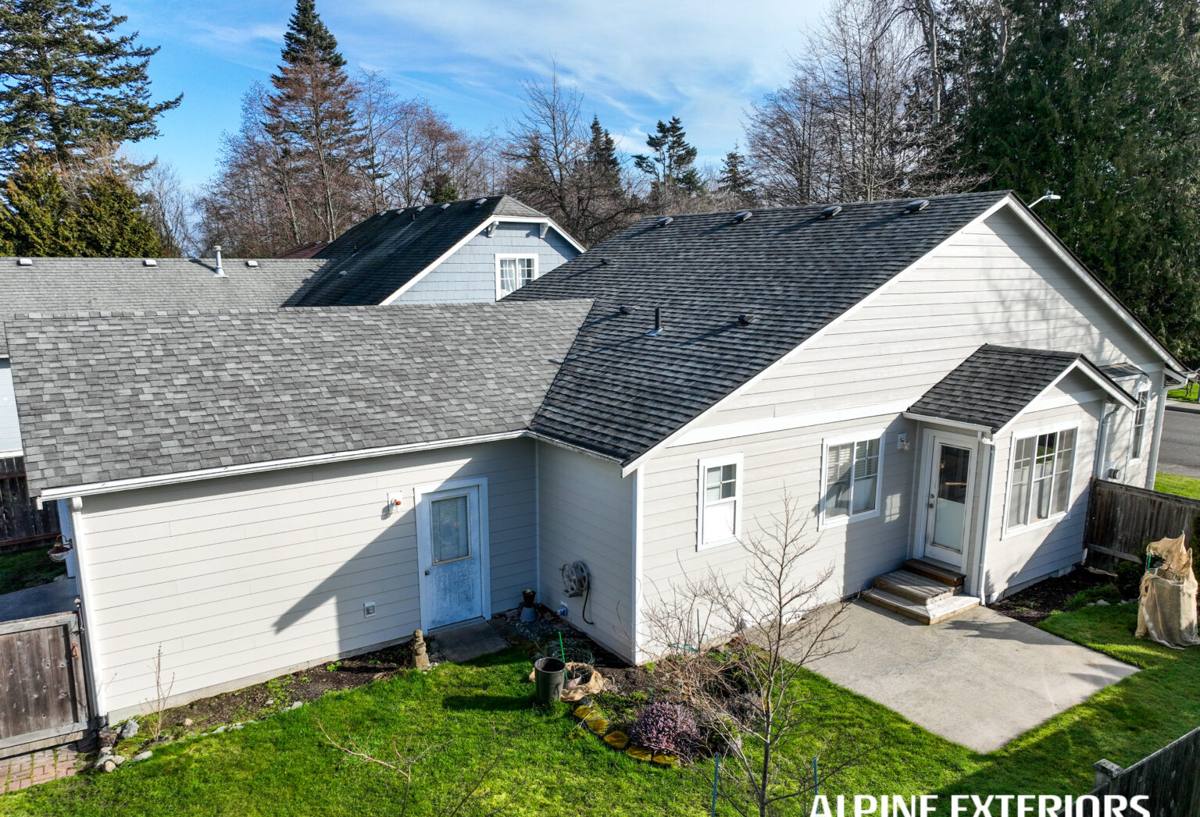
What This Climate Actually Does to a Roof
Wind and Uplift
Sustained hurricane-force wind puts direct uplift pressure on a roof system, and that pressure is highest at edges, corners, and ridge lines — exactly where a rushed installation is most likely to cut corners on fastening. On a barrier island lot with no buffer between the roof and open Gulf wind, the difference between a roof fastened to code and a roof fastened to a shortcut pattern shows up the first time a real storm comes through, not years later.
Wind-Driven Rain
Rain that falls straight down is easy for almost any roof covering to shed. Rain that's being driven sideways and forced upward under shingle tabs, tile laps, or seam edges is a different problem entirely, and it's a routine occurrence on this part of the coast during storm season. That's why underlayment choice and flashing detail matter as much as the visible roof covering — the water that gets past the surface layer has to be stopped by what's underneath it.
Salt Air and Corrosion
Airborne salt settles on every exposed surface on a barrier island, roofs included, and it accelerates corrosion on fasteners, flashing, and any lower-grade metal components. It's not dramatic — nobody sees a roof fail from salt air in a single season — but it's a constant, cumulative process that shortens the life of anything not specified for coastal exposure. It's a big part of why fastener and flashing metal quality matter more here than they would inland.
UV and Heat Cycling
Florida's sun angle and day length put more cumulative UV load on a roof here than most of the country sees in a year, and that load is followed by hot afternoons and warm, humid nights that keep roofing materials expanding, contracting, and staying warm longer than they would in a drier climate. Lower-grade shingle granules and coatings degrade faster under that cycle, which is part of why we don't treat roofing material as a one-size-fits-all decision on this coastline.
What a Correct Roof Replacement Involves
A roof replacement is not just stripping off the old covering and laying down a new one. Done right, it addresses the roof as a full system, from the deck up, with this specific climate in mind at every step.
Tear-Off and Deck Inspection
A full tear-off down to the decking is the only way to actually find hidden moisture damage, soft spots, or rot that's been developing under the old roof, often invisible from inside the attic until it's advanced. This is also the point where we find out whether the deck itself needs sistering or sheathing replacement before anything new goes on — skipping this step just buries whatever problems already exist under a new roof covering.
Underlayment and Secondary Water Barrier
Given how often wind-driven rain gets forced under the surface layer here, a synthetic or self-adhered underlayment that actually functions as a secondary water barrier matters more on this coastline than in a calmer climate. Self-adhered underlayment at eaves, valleys, ridges, and other vulnerable transitions gives the roof a real backup layer for the water that does make it past the shingles, tile, or metal panels above.
Flashing at Valleys, Penetrations, and Walls
Most roof leaks don't start in the open field of the roof — they start at flashing details: valleys where two planes meet, chimney and vent penetrations, skylight curbs, and roof-to-wall transitions. Those details need to be properly lapped, sealed, and integrated with the underlayment, not caulked over as a shortcut. On a barrier island home, we spec corrosion-resistant flashing metal as standard practice rather than an upgrade, since standard-grade metal is exactly what salt air goes after first.
Fastening and Wind-Rating Compliance
Correct fastener type, count, and placement, following the manufacturer's tested specification for the wind speed and exposure category of the actual lot, is what keeps a roof covering attached under real hurricane-force load. This isn't an area where a generic, code-minimum approach and a properly engineered fastening schedule produce the same result on a home this exposed — the margin for error is smaller here than a few miles inland.
Ventilation
Balanced intake and exhaust ventilation keeps the underside of the roof deck dry and helps the structure shed the heat and humidity this climate holds onto. A roof that looks fine from the street can still be shortening its own service life from poor attic airflow, and ventilation components on a coastal home need the same wind and corrosion resistance as the rest of the roof.
Choosing a Roofing Material for a Redington Beach Home
There's no single correct material for every home on this stretch of coast — the right choice depends on the home's structure, budget, any HOA or architectural constraints, and how much long-term maintenance the owner wants to take on. Here's how the common options actually compare under this specific climate.
| Factor | Asphalt Shingle | Standing Seam Metal | Concrete/Clay Tile |
|---|---|---|---|
| Wind performance | Good with proper fastening and a wind-rated product line | Very strong when properly seamed and fastened | Strong for the tile itself; ridge and hip details are the weak point if not detailed correctly |
| Salt air / corrosion resistance | Mainly a flashing and fastener quality issue | Depends on panel and fastener coating; coastal-rated finishes matter | Very good — the material itself doesn't corrode |
| UV and heat performance | Granule loss and fading over time, especially on lower grades | Reflects heat well, holds finish longer than shingles | Excellent UV stability |
| Typical lifespan | 20-30 years depending on product grade | 40-60 years | 40-plus years |
| Relative upfront cost | Lowest | Mid to upper | Highest |
| Structural consideration | Works on most existing framing | Usually fine on existing framing | Heavier — some homes need a structural check before switching from shingle |
Asphalt shingle remains a solid, cost-effective choice for a lot of Redington Beach homes as long as it's a wind-rated architectural product installed to the manufacturer's coastal fastening spec, not a builder-grade product installed to a generic pattern. Metal and tile cost more upfront but generally ask less of the owner over the following few decades, which is worth weighing against how long you expect to own the home.
Permitting and Wind Requirements in Pinellas County
Roofing work on Redington Beach isn't just a construction decision, it's a permitting one. Florida Building Code sets wind speed and wind-borne debris requirements that vary by location and exposure, and homes this close to open Gulf water are typically held to the higher end of what Pinellas County's wind maps call for. Roofing materials and fastening systems used here need current Florida product approval for the wind speed and exposure category that applies to the specific address, not just a generic listing. We pull permits and build to what the county and the code actually require for this location, and we can walk you through what that means for your specific home during the estimate rather than leaving it as a vague line item.
Our Process, Start to Finish
- Inspection and assessment — we look at the current roof's age, material, and condition, including attic and deck access where possible, before recommending replacement over repair
- Honest recommendation — full replacement, targeted repair, or a repair-now-replace-later plan, with the reasoning explained plainly
- Material and system selection — we walk through shingle, metal, or tile options for your home, budget, and the wind rating your address requires
- Permitting — pulled and handled for the actual scope of work and the county's current wind and code requirements
- Tear-off and deck inspection — old roof removed, deck checked and repaired as needed before anything new goes on
- Underlayment, flashing, and installation — installed to manufacturer spec and the fastening schedule required for this wind zone
- Final walkthrough — ventilation check, cleanup, and a clear explanation of warranty coverage and any maintenance the new roof needs
What a Typical Replacement Project Includes
- Full tear-off to the decking, not a layover installation
- Deck inspection with repair or replacement of any damaged sheathing found
- Synthetic or self-adhered underlayment appropriate for a wind-driven-rain climate
- Corrosion-resistant flashing at all valleys, penetrations, and wall transitions
- Fastening to the wind-rated specification for the home's exposure and location
- Balanced ventilation check and correction where needed
- Final walkthrough covering warranty terms and any owner maintenance notes
Signs a Redington Beach Roof Needs Replacement, Not Just Repair
- Shingles that are cracked, curling, or missing granules across large sections rather than one isolated spot
- Visible sagging anywhere in the roofline, which usually points to deck or structural issues underneath
- Rust streaks, corroded fasteners, or deteriorating flashing metal, especially around penetrations
- Daylight visible through the roof deck from inside the attic
- Repeated leaks in different spots after storms, rather than one recurring, fixable location
- A roof approaching or past the upper end of its material's expected service life with no documented replacement history
None of these signs automatically mean full replacement is the only option, but on a barrier island home they're worth a professional look before the next storm season rather than after water has already reached the deck and framing.
Why Hiring a Crew That Already Works This Coastline Matters
Manufacturer installation instructions are written for average conditions, and a home on Redington Beach rarely faces average conditions. A crew that hasn't worked this stretch of the Gulf coast regularly can get the wind rating right on paper and still miss the details that keep a roof attached and dry: how much extra lap a valley needs on a barrier island lot, which fastener and flashing grade holds up against constant salt exposure, where ventilation needs extra attention because of how heat and humidity behave this close to open water. Those are judgment calls made on the roof, not decisions a spec sheet makes for you.
We work this part of Pinellas County regularly, which means we already know how specific roof types and exposures on this barrier island tend to perform over time, and what the county's inspectors actually check for. That experience is what separates a roof that's still tight after a few hurricane seasons from one that starts leaking and corroding within a couple of years.
What to Expect From a Roof Replacement Estimate
An honest roof estimate starts with an inspection, not a sales pitch. We'll look at your roof's condition, check for any deck or structural issues we can see, talk through which material and system fits your home, budget, and the wind rating your address requires, and give you a straightforward number. Cost varies with roof size, pitch, number of layers being removed, material choice, and how much deck repair turns up once tear-off starts, and we'll walk you through those factors for your home rather than leaving you with a vague number that grows once work begins.
If you're in Redington Beach and thinking about a roof replacement — whether you're dealing with visible damage, storm concerns, or just planning ahead of the next hurricane season — we're happy to come take a look and give you a straightforward, no-pressure estimate using the form below.