 Seminole Siding
 St. Petersburg Roofs Work Harder Than Most
A roof in St. Petersburg isn't just shedding rain. It's absorbing months of intense, nearly year-round UV exposure, taking wind-driven rain sideways off Tampa Bay and the Gulf, and sitting in salt-laden air that speeds up corrosion on fasteners, flashing, and vents. Add tropical storm and hurricane season, and it's easy to see why roofs here age differently than roofs inland. A roof built to a generic national standard, or installed by a crew that mostly works somewhere drier and calmer, tends to show its weak points early — nail pops, curling shingles, rusted flashing, soft spots at valleys and penetrations.
We're based in Seminole and do a lot of our work in and around St. Petersburg, so this isn't theoretical for us. We see the same failure patterns on the same house styles, block after block, and we build every installation to hold up against what this specific part of Pinellas County actually throws at a roof.
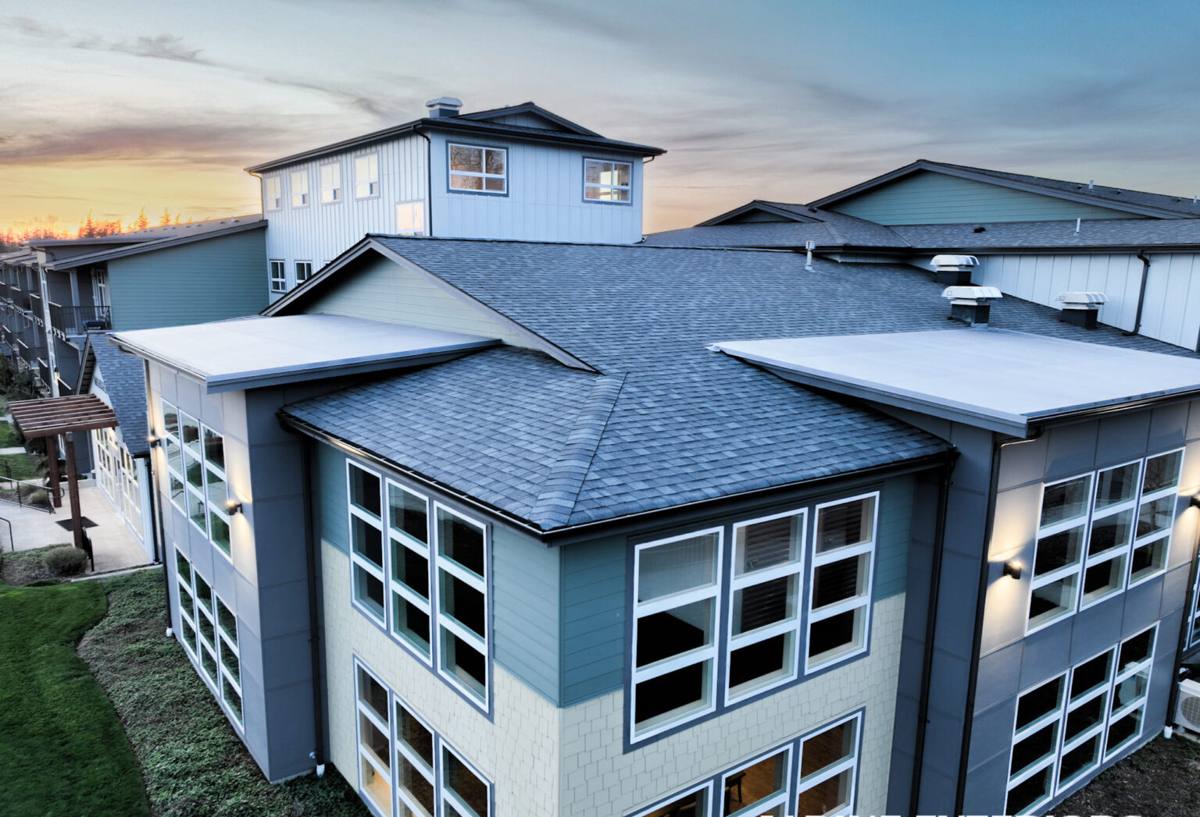
What Actually Wears Out a St. Petersburg Roof
Wind
Even outside a named storm, St. Petersburg sees regular gusty weather off the water. Wind doesn't just push down on a roof — it creates uplift at edges, ridges, and corners, which is exactly where a poorly fastened roof starts to peel. A correct installation accounts for uplift at every edge, not just the field of the roof.
UV and Heat
Florida sun breaks down roofing materials from the top down. Asphalt shingles lose their oils and granules faster here than in cooler climates, and dark colors on a west- or south-facing slope run hotter, accelerating that process. UV resistance and proper attic ventilation both matter more here than in most parts of the country.
Wind-Driven Rain
When rain comes in sideways instead of straight down, it can find its way under shingles, around vents, and behind flashing that would keep out a normal vertical rain. This is why underlayment choice and flashing detail matter as much as the visible shingle or tile on top.
Salt Air
Proximity to Tampa Bay and the Gulf means metal components — nails, screws, drip edge, vent stacks, flashing — corrode faster than they would inland. Material grade and fastener choice aren't cosmetic decisions here; they affect how long the roof actually lasts.
What a Correct Roof Installation Involves
A new roof is only as good as what's underneath the material you can see. Cutting corners on the parts that get covered up is the single biggest reason roofs fail early, especially in a climate like this one.
Deck Inspection and Repair
Once the old roof is stripped, the deck gets inspected board by board. Soft, delaminated, or water-stained decking gets replaced before anything new goes down. Installing new roofing over a compromised deck is one of the most common shortcuts in the industry, and it's one we don't take.
Underlayment as the Real Water Barrier
The visible roofing material is the first line of defense, not the only one. A synthetic or self-adhering underlayment, properly lapped and sealed at every penetration, is what actually keeps a home dry if wind drives rain underneath the surface layer or if a shingle is ever lost in a storm.
Flashing Details
Valleys, chimneys, skylights, sidewalls, and pipe boots are where the overwhelming majority of roof leaks start — not the open field of shingles. Correct flashing means new metal or properly rated pipe boots at every penetration, not caulk and reused flashing from the old roof.
Fastening for Wind Uplift
Nail pattern, nail placement, and fastener count all change based on the wind zone the home is built in and the manufacturer's high-wind installation instructions. Following the standard fastening schedule instead of the high-wind schedule is a common way roofs underperform in Florida wind, even when everything else looks fine.
Ventilation
A hot, poorly ventilated attic cooks shingles from underneath and can shorten the life of a new roof by years. Balanced intake and exhaust ventilation is part of doing the job right, not an upsell.
Choosing a Roofing Material for This Climate
There's no single "best" roofing material for every St. Petersburg home — it depends on the roof's slope, the home's style, budget, and how long you plan to stay in the house. Here's how the common options compare for a coastal Pinellas County property.
| Material | Wind Performance | Typical Lifespan | Maintenance Notes |
|---|---|---|---|
| Architectural (laminated) asphalt shingle | Good, when installed with high-wind nailing pattern and rated shingle | Moderate to long | Periodic inspection of flashing and sealant; most affordable upfront option |
| Standing seam metal | Very good; fewer individual pieces for wind to catch | Long | Fastener and coating quality matter more in salt air; higher upfront cost |
| Concrete or clay tile | Good when properly fastened, but individual tiles can be dislodged in extreme wind | Long | Underlayment condition matters as much as the tile itself; heavier structural load |
| 3-tab asphalt shingle | Lower than architectural shingles | Shorter | Lowest upfront cost, but generally not our recommendation for this wind and UV exposure |
We'll walk through which option fits your home's roof deck, structure, and budget rather than pushing one product on every job.
Wind Mitigation, Permitting, and Insurance
Pinellas County requires a permit and inspection for a full roof replacement, and the work has to meet current Florida Building Code wind provisions for this area. That's not paperwork for its own sake — it's what determines things like nailing pattern, underlayment type, and how the roof edges and hips are secured.
It's also worth knowing that a new roof installed to current code can qualify a home for a wind mitigation inspection afterward, which many insurance carriers use to adjust windstorm premiums. We can't promise a specific discount since that depends entirely on your insurer, but a properly documented, code-compliant installation is what makes that conversation possible in the first place.
Our Installation Process
- On-site inspection — we look at the current roof, attic ventilation, and any visible trouble spots before recommending anything.
- Written estimate — material options, scope of work, and timeline, explained in plain terms.
- Permitting — we pull the required Pinellas County permit before work begins.
- Tear-off and deck inspection — old roofing removed, deck checked and repaired as needed.
- Underlayment and flashing — water barrier and flashing installed at every valley, penetration, and edge.
- New roofing material installed — fastened to the high-wind schedule appropriate for this area.
- Final inspection and cleanup — job site cleared, including a magnetic sweep for stray nails, and the work is signed off by the county inspector.
What to Ask Before You Hire Anyone for This Job
A new roof is a major investment and hard to inspect yourself once it's finished. Before you sign with any contractor in St. Petersburg or elsewhere in Pinellas County, it's worth going through a short list.
- Are they licensed to perform roofing work in Florida, and can they provide proof?
- Do they carry general liability and workers' compensation insurance?
- Will they pull the required county permit themselves, in their name?
- Do they specify the exact underlayment, flashing, and fastening approach in writing, not just the shingle brand?
- Do they explain the high-wind nailing schedule they'll use, and why?
- Can they explain how they'll protect landscaping, gutters, and the property during tear-off?
- Do they offer a workmanship warranty separate from the manufacturer's material warranty?
If a contractor is vague on any of these, that's worth treating as a red flag, not a detail to sort out later.
Why a Local Seminole Crew Matters for a St. Petersburg Roof
We're not flying in from another region for storm season. Working regularly in St. Petersburg and the surrounding Pinellas County area means we already know the local permitting process, the inspectors, and the wind and rain patterns that affect roofs here specifically. That familiarity shows up in small ways that add up — fewer permit delays, flashing and ventilation choices matched to what actually holds up on this coastline, and a crew that's still local and reachable long after the job is done, not just during the sale.
After the Roof Is On
A new roof still benefits from basic upkeep in this climate: keeping gutters clear so water doesn't back up under the edge, trimming back overhanging branches that drop debris and hold moisture, and having the roof looked at after any major storm. None of this is demanding, but it's the difference between a roof that reaches its full lifespan and one that doesn't.
If you're weighing a new roof for a St. Petersburg home, we're glad to come take a look and give you a straight answer on what your roof actually needs — no pressure, no upsell. Use the form below to request a free estimate.