 Seminole Siding
 Windows Built for St. Petersburg's Coastline, Not a Generic Climate
St. Petersburg sits on a peninsula surrounded by Tampa Bay and the Gulf of Mexico, which means its windows work harder than windows almost anywhere else in the country. Between hurricane-force wind events, intense year-round UV exposure, wind-driven rain that finds every gap in a poor installation, and salt-laden air that accelerates corrosion, a window installed the wrong way in St. Petersburg fails faster than the same window installed inland. This isn't a page about windows in general. It's about what it actually takes to install windows correctly on homes in St. Petersburg and the surrounding Seminole area of Pinellas County, where the climate doesn't forgive shortcuts.
A window is a system, not just a piece of glass in a frame. The glass and frame you choose matter, but so does the flashing behind the nailing fin, the sealant bead around the perimeter, the anchoring into the framing, and how the whole assembly ties into the wall's drainage plane. Get any one of those wrong and you're not looking at a hypothetical problem down the road — you're looking at water intrusion, wood rot, mold, and a frame that loosens under wind load years before it should.
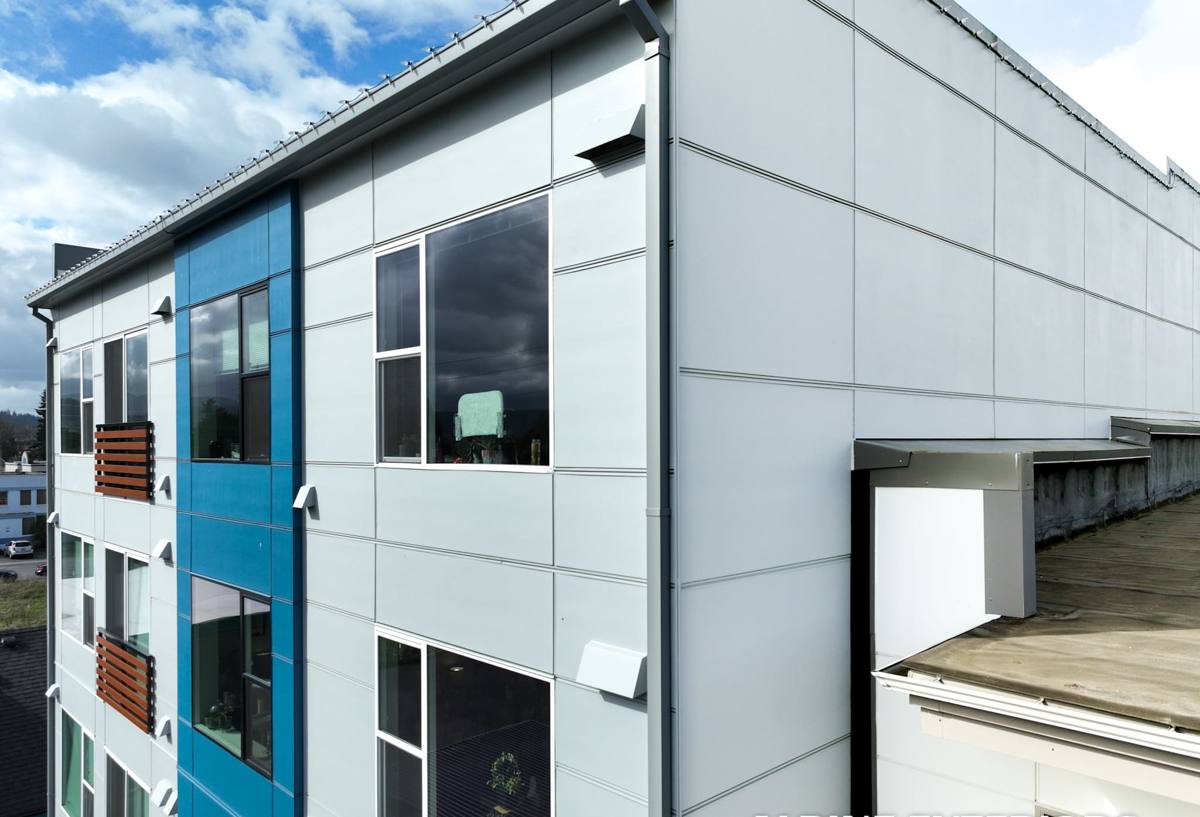
What Correct Installation Actually Involves
Flashing and Water Management
Every window opening needs to be flashed so that any water that gets behind the trim or siding is directed back out, not into the wall cavity. In St. Petersburg's climate, where wind-driven rain can push water sideways and even slightly upward against a wall, a sill pan and properly lapped flashing tape aren't optional extras. They're the difference between a window that stays dry for decades and one that quietly rots the framing behind it while the interior looks fine.
Anchoring and Fastening
Windows have to be anchored according to the manufacturer's tested installation instructions and fastening schedule — not "close enough." Under-fastened windows can shift or pull away from the opening during high-wind events; over-fastened or improperly shimmed windows can bind, warp, or crack glass as the frame is forced out of square. Correct installation means the right fastener type, spacing, and embedment into sound framing, every time.
Sealant and Backer Rod
A quality sealant joint is a system: backer rod to control joint depth, then a compatible sealant applied at the right thickness, tooled correctly, over a clean and dry surface. Skipping the backer rod or using the wrong sealant for the substrate is one of the most common shortcuts we see, and it's also one of the fastest to fail under constant sun exposure and salt air.
Interior and Exterior Finish Work
A correct install isn't finished until interior trim, insulation around the frame, and exterior caulking or trim are completed and sealed. Gaps left in the rough opening for "later" rarely get addressed properly, and they're a direct path for moisture and pests.
Impact-Rated vs. Standard Windows for a Coastal Pinellas County Home
St. Petersburg homeowners have real decisions to make about glass and frame performance, and the right answer depends on the home's exposure, budget, and whether the goal is year-round protection or a lower upfront cost paired with separate storm coverings. Here's how the two main approaches compare.
| Factor | Impact-Rated Windows | Standard Windows + Shutters/Panels |
|---|---|---|
| Storm protection | Built into the window; laminated glass resists wind-borne debris | Depends on shutters being installed correctly and every time before a storm |
| Daily UV and noise performance | Laminated interlayer also cuts UV transmission and outside noise year-round | No added UV/noise benefit outside of storm events |
| Upfront cost | Higher per-window cost | Lower window cost, but shutters/panels add their own expense |
| Convenience | No prep needed before a storm | Requires physically installing coverings, which takes time and manpower |
| Insurance considerations | May help with wind mitigation credits, depending on your policy and inspection | Coverings can also qualify for credits if permanently attached and rated |
Neither option is wrong — it's a trade-off between paying more upfront for glass that protects the home every single day, or paying less for the window itself and relying on a separate covering system that has to be deployed correctly before every storm. We'll walk through both honestly based on your home and budget rather than pushing one option.
Signs Your Current Windows Are Losing the Fight Against the Climate
Because St. Petersburg's combination of sun, salt, and storms is unusually harsh on building materials, window failure often shows up earlier than homeowners expect. Watch for:
- Cloudy or foggy glass between panes, which means the seal on a double-pane unit has failed
- Soft, discolored, or crumbling wood trim around the frame — a sign moisture has been getting behind it
- Windows that are difficult to open, close, or lock, which can indicate a frame that's warped or racked out of square
- Visible daylight or a noticeable draft around the frame when the window is closed
- Cracked, chalky, or shrinking exterior caulk lines
- A noticeable jump in cooling costs without any other explanation
- Pitting, corrosion, or chalky white residue on aluminum frames or hardware from salt air exposure
Any one of these on its own might just mean a caulking touch-up. Several of them together, especially on a home's Gulf- or bay-facing side, usually means it's time to look at full replacement rather than another round of patching.
How We Approach a St. Petersburg Window Installation
1. On-Site Assessment
We look at each opening individually — not just the visible frame, but the condition of the framing behind it, the existing flashing, and how water has historically moved around that wall. Homes near the water or with more direct sun and wind exposure often need different attention than a more sheltered opening on the same house.
2. Careful Removal
Old windows are removed without tearing up more of the surrounding wall or siding than necessary, and we check the rough opening and framing for any hidden rot or damage before anything new goes in. This is often where problems from a prior installation surface, and it's better to find them now than after the new window is in.
3. Opening Prep and Flashing
Any damaged framing is repaired, the opening is squared and leveled, and a proper flashing and sill pan system is installed to manage water before the window itself ever goes in.
4. Installation and Anchoring
The window is set, shimmed level and plumb, and anchored per the manufacturer's specifications for the wind loads applicable to this part of Pinellas County.
5. Sealing and Weatherproofing
Backer rod, sealant, and exterior trim are installed to complete the water-management system, and interior gaps are insulated and trimmed out.
6. Final Check and Cleanup
Every window is operated, checked for square and smooth function, and inspected for a clean, consistent seal before we consider the job finished.
Permits and Code Considerations in St. Petersburg
Window replacement in the City of St. Petersburg and unincorporated Pinellas County generally requires a permit, and inspections confirm the installation meets Florida Building Code requirements for this wind-exposed part of the state. Code requirements exist specifically because of the conditions we've described throughout this page — high design wind speeds, wind-driven rain, and the risk of wind-borne debris during storm events. Skipping the permit process might save a little time upfront, but it leaves you without documentation that the work meets code, which can matter for insurance, resale, and simple peace of mind. We handle the permitting and inspection process as part of the job.
Frame Material Trade-Offs for Salt Air Exposure
Frame material choice matters more here than in a drier, inland climate. Vinyl frames resist corrosion entirely and handle salt air well, though color and rigidity vary by product line. Fiberglass frames are dimensionally stable through Florida's heat swings and also resist corrosion, typically at a higher price point. Aluminum frames are strong and slim-profile but are more prone to corrosion and pitting in coastal salt air over time unless properly coated and maintained. We'll talk through which fits your home, your budget, and how close you are to the water.
Why a Crew That Already Works St. Petersburg Makes a Real Difference
Installing windows correctly on a coastal Pinellas County home isn't the same job as installing them on a house fifty miles inland. A crew that regularly works in St. Petersburg and the greater Seminole area already understands the local wind exposure differences between a bay-facing wall and a sheltered one, knows what to look for when opening up a wall that's spent years absorbing salt air and UV, and is familiar with the local permitting and inspection process so your project doesn't stall waiting on paperwork nobody anticipated. That local experience shows up in fewer surprises, fewer callbacks, and a window system built for the specific conditions of your address rather than a one-size-fits-all approach.
If you're weighing whether it's time to replace aging windows, dealing with a home that's showing signs of water intrusion, or simply planning ahead of hurricane season, we're happy to take a look and give you a straightforward, no-pressure assessment. Use the form below to request a free estimate, and we'll walk you through exactly what your home needs and why.