 Seminole Siding
 A roof on Treasure Island lives a harder life than one a few miles inland in Seminole. It sits closer to open Gulf water, takes wind loads few inland roofs ever see, and spends every day of the year bathed in salt air and intense sun. Roof replacement out here isn't just the same job done near the beach — the details that get overlooked on an easy inland reroof are exactly the ones that fail first on a barrier island. This page covers what a Treasure Island home actually needs from a roof replacement, what a correct job involves, how our process works, and why hiring a crew that already works this island — not one learning it for the first time on your house — matters.
Why Treasure Island Roofs Take More Punishment
Treasure Island is a barrier island in Pinellas County, and that location changes the math on almost every roofing decision. A handful of conditions drive most of what we see on reroofs out here, and they compound each other rather than acting alone.
Hurricane-Force Wind
Open Gulf exposure means wind loads on a Treasure Island roof are higher than the same roof would face set back inland. Uplift at eaves, rakes, and ridge lines is the failure point on marginal roofs, and it's almost always a fastening or edge-detail problem rather than a shingle or panel that simply "gave out." Wind-borne debris is part of the same equation — anything that comes loose during a storm becomes a projectile for the next roof over.
Salt Air
Being this close to the water means airborne salt settles on every exposed surface, all year, not just during storms. It accelerates corrosion on exposed fasteners, flashing, and vent stacks faster than the same materials would corrode a few miles inland. A fastener spec that's perfectly fine in Seminole's inland neighborhoods can start rusting within a few years on Treasure Island if it wasn't chosen with a marine environment in mind.
Year-Round UV
Florida's sun angle and long day length put a heavier cumulative UV load on roofing materials here than most of the country ever sees. On asphalt shingles, that UV load drives granule loss and brittleness years earlier than the manufacturer's rated service life would suggest if the product or installation wasn't matched to the exposure. On lower-grade materials it shows up as premature curling and cracking, not just fading.
Wind-Driven Rain
Straight-down rain is easy for almost any roof to shed. Rain pushed sideways by strong onshore wind is a different problem — it drives up under shingle tabs, into valleys, and against flashing details that would stay dry in a calmer storm. A roof built to a bare minimum code standard is far more likely to leak at valleys, penetrations, and roof-to-wall transitions than one built with the wind-driven exposure of a barrier island in mind from the start.
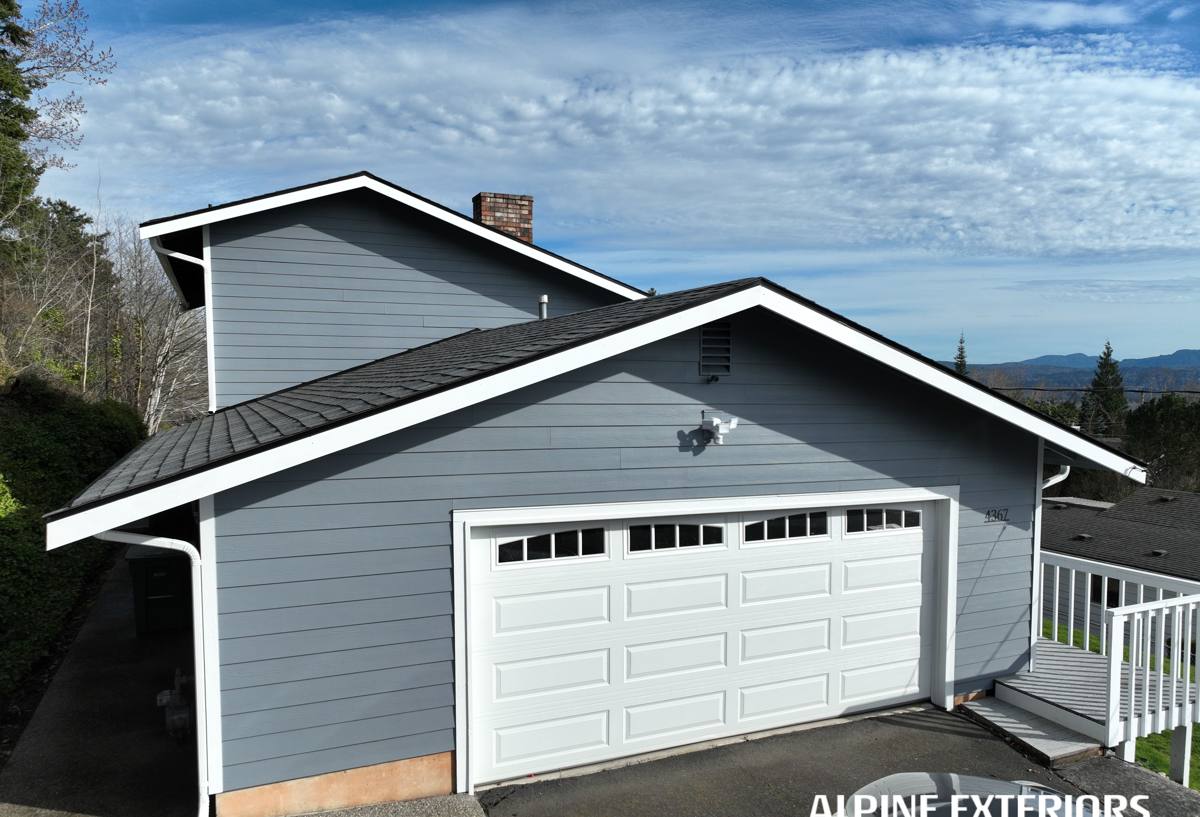
Signs a Treasure Island Home Needs a Roof Replacement
Not every roof problem calls for full replacement, but these are the signals that usually point that way rather than toward a simple repair:
- Shingles that are curling, cupping, or losing granules across large sections rather than one isolated spot
- Rust staining at nail heads, flashing, drip edge, or metal vent stacks
- Soft or spongy spots underfoot, or sagging visible from the ground or a neighboring roofline
- Daylight visible through the roof deck from inside the attic, or damp insulation after a storm
- Leaks that appear in more than one location during wind-driven rain rather than a single steady drip
- Missing or lifted shingles after a wind event, especially recurring damage in the same areas
- A roof approaching or past its material's rated service life for this exposure
- Visible wear or corrosion on flashing at chimneys, skylights, and roof-to-wall joints
Choosing a Roofing System for a Barrier Island Home
Material choice matters more here than in a milder, less exposed setting. The table below is a general comparison — actual performance always comes down to installation quality as much as the product itself.
| Material | Wind & Salt Air Performance | UV/Sun Behavior | Typical Service Life Here |
|---|---|---|---|
| Architectural asphalt shingle | Good with marine-rated fasteners, sealed laps, and a rated wind warranty; standard-grade fasteners corrode faster this close to the Gulf | Granule loss accelerates without a product rated for high-UV exposure | Roughly 20–25 years with correct installation and materials matched to this exposure |
| Standing seam metal | Excellent when specified in a coastal-rated finish; concealed fasteners and continuous panels resist uplift and wind-driven rain well | Factory finishes hold color and resist chalking better than field-applied coatings | Roughly 40–50 years |
| Concrete or clay tile | Heavy and wind-resistant when properly fastened, but individual tiles can crack from debris impact and need correct underlayment beneath them | Very stable under UV; color is baked into or through the material | Roughly 40–50 years for the tile itself, underlayment typically needs replacement sooner |
None of these numbers are a guarantee — they're a general frame for comparing options honestly. A roof installed with the wrong fastening schedule or the wrong underlayment for the exposure will fall short of any of these figures regardless of the material label on the shingle wrapper.
What Florida Building Code and Wind Requirements Mean for This Job
Pinellas County sits in a wind-borne debris region under the Florida Building Code, and a barrier island location like Treasure Island puts a home at the higher end of the local wind-exposure categories the code accounts for. That affects a roof replacement in several concrete ways, not just as paperwork:
- Roofing materials and assemblies need Florida product approval for the specific wind speed and exposure category that applies to the home's location
- Fastening schedules — nail or screw type, pattern, and spacing — are part of that product approval, not something a crew can substitute on the fly
- A secondary water barrier, such as self-adhered underlayment at eaves, valleys, and the full deck, is required on many reroofs and is worth having regardless, given how often wind-driven rain finds its way past the primary roof covering out here
- A building permit and inspection are required for a full roof replacement, and the permitting office is checking that the installed assembly matches what was approved for the job
There's also a financial angle worth knowing about separately from code compliance: many insurers offer wind mitigation credits for features like a hip roof shape, a secondary water barrier, and code-compliant roof-to-wall connections, verified through a wind mitigation inspection after the reroof. We can't promise a specific savings number since that's between you and your carrier, but it's worth asking your insurance agent what documentation to request once the new roof is in.
What a Correct Roof Replacement Actually Involves
Roof replacement is often sold as a simple swap — old shingles off, new shingles on — but the parts that determine whether the roof performs for decades or leaks within a few years are mostly invisible once the job is finished.
Tear-Off and Deck Inspection
We remove the existing roofing down to the deck rather than layering over it, because a layered roof hides exactly the kind of deck damage that needs to be found and fixed before new material goes down. Any soft, delaminated, or water-damaged decking gets replaced, not skipped over or covered up.
Underlayment and Secondary Water Barrier
The underlayment is what actually keeps water out if wind ever drives it past the roof covering — the shingles or panels on top are the first line of defense, not the only one. On a Treasure Island home, that means a full self-adhered secondary water barrier at minimum along eaves, valleys, and roof penetrations, and often across the full deck given the wind-driven rain exposure here.
Flashing at Every Penetration
Chimneys, vent stacks, skylights, and roof-to-wall transitions are where most roof leaks actually start, not in the open field of the roof. Correct flashing — properly lapped, sealed, and integrated with the underlayment — at every one of these points is what separates a roof that stays dry through a hurricane season from one that develops slow leaks nobody notices until there's interior damage.
Fastening to Wind Code
Fastener type, length, and spacing follow the Florida product approval for the material and exposure category, not a generic national standard. This is the detail most responsible for whether shingles or panels stay attached in sustained high wind, and it's also the detail that's easiest for an unfamiliar or rushed crew to shortcut, because it looks identical to correct work until the wind actually tests it.
Ventilation
Proper intake and exhaust ventilation keeps attic temperatures and moisture in check, which matters for shingle life under our UV and heat load and for keeping humidity from building up in the attic space. We check existing ventilation as part of every reroof and correct it where it's inadequate rather than leaving a known problem in place under new shingles.
Our Process, Start to Finish
- On-site inspection of the current roof, deck, flashing, and ventilation — not just a look from the ground
- A written estimate that spells out material, underlayment, flashing, and fastening specs, not just a total price
- Permit filing with the local building department before any work begins
- Tear-off, deck inspection, and repair of anything found underneath the old roofing
- Installation of underlayment, flashing, and the new roofing system to the applicable wind-code fastening schedule
- Ventilation check and correction where needed
- Cleanup, including a magnetic sweep for stray nails and debris around the property
- Final walkthrough covering warranty paperwork and what documentation to keep for insurance or wind mitigation purposes
What Drives the Cost of a Treasure Island Roof Replacement
Every roof prices on its own merits, and anyone quoting a firm number without walking the roof and attic is guessing. As a broad, honest frame, a full asphalt shingle reroof on a typical single-story Treasure Island home tends to land in the mid-five-figure range on the low end, with metal or tile running higher; the factors below are what actually move that number.
| Cost Factor | Why It Matters |
|---|---|
| Roof size and pitch | Square footage is the base driver; steep or complex pitches add labor and safety requirements |
| Material choice | Shingle, metal, and tile carry very different material and labor costs and different long-term value |
| Layers of existing roofing | Tear-off of multiple layers costs more than a single-layer removal, and code generally limits how many layers can be present |
| Deck condition | Rotted or delaminated decking found during tear-off is real money — and where surprises hide |
| Underlayment scope | Full self-adhered underlayment costs more up front than minimum code coverage but performs better under wind-driven rain |
| Roof complexity | Valleys, dormers, chimneys, and skylights each add flashing work and labor time |
| Ventilation corrections | Adding or upgrading intake and exhaust vents is inexpensive relative to the whole job and pays off in shingle life |
Why a Local Crew That Already Works Treasure Island Matters
Roof performance is decided by details that don't show up in a walk-through — how flashing is lapped, whether the fastening schedule actually matches the wind-exposure category, whether the deck got a real inspection or a quick glance. A crew that works Treasure Island and the surrounding Pinellas County barrier islands regularly has already seen how those details play out in this specific wind and salt exposure, on this specific building stock, storm season after storm season. That matters more here than in a lot of inland markets, because the margin for error is smaller — wind-driven rain and salt air find weak points that a milder climate would let slide for years before they became a leak.
It also matters for permitting. Wind-borne debris region requirements affect fastening schedules and product approvals directly, and a contractor who pulls roofing permits in this area regularly knows what the local building department is actually looking for, rather than applying a generic out-of-state standard and hoping it clears inspection. There's a logistics side too — barrier island streets are often narrower and parking is tighter than in inland neighborhoods, and a crew that plans deliveries, staging, and disposal around that reality keeps a job moving instead of losing days to avoidable delays.
Your Pre-Contract Checklist
Hire us or hire someone else — run this list before signing anything for a roof replacement in this area:
- Verify the contractor's Florida roofing license on the DBPR website and confirm the name on the license matches the one on your contract
- Ask which wind-exposure category and product approvals apply to your address, and confirm the quoted materials actually carry those approvals
- Get the underlayment and secondary water barrier scope in writing, not just the shingle or panel brand
- Ask how flashing will be handled at every penetration — chimneys, vents, skylights, roof-to-wall joints
- Confirm who pulls the permit and who is present for the required inspections
- Get tear-off terms in writing, including how hidden deck damage is priced if it's found mid-job
- Ask whether documentation will be provided for a wind mitigation inspection after the work is done
- Get the fastening schedule and warranty terms in writing before any material is ordered
If your roof is showing its age, took a hit in the last storm season, or you're just planning ahead, we're glad to walk it with you and talk through honest options for your Treasure Island home. Reach out for a free, no-pressure estimate using the form below.